DB
53 ENTRIES◆ HOW WE SCORE8.0+6.0–7.9<6.0Every score breaks down into the 3–5 things it is made of. Read the full scale →
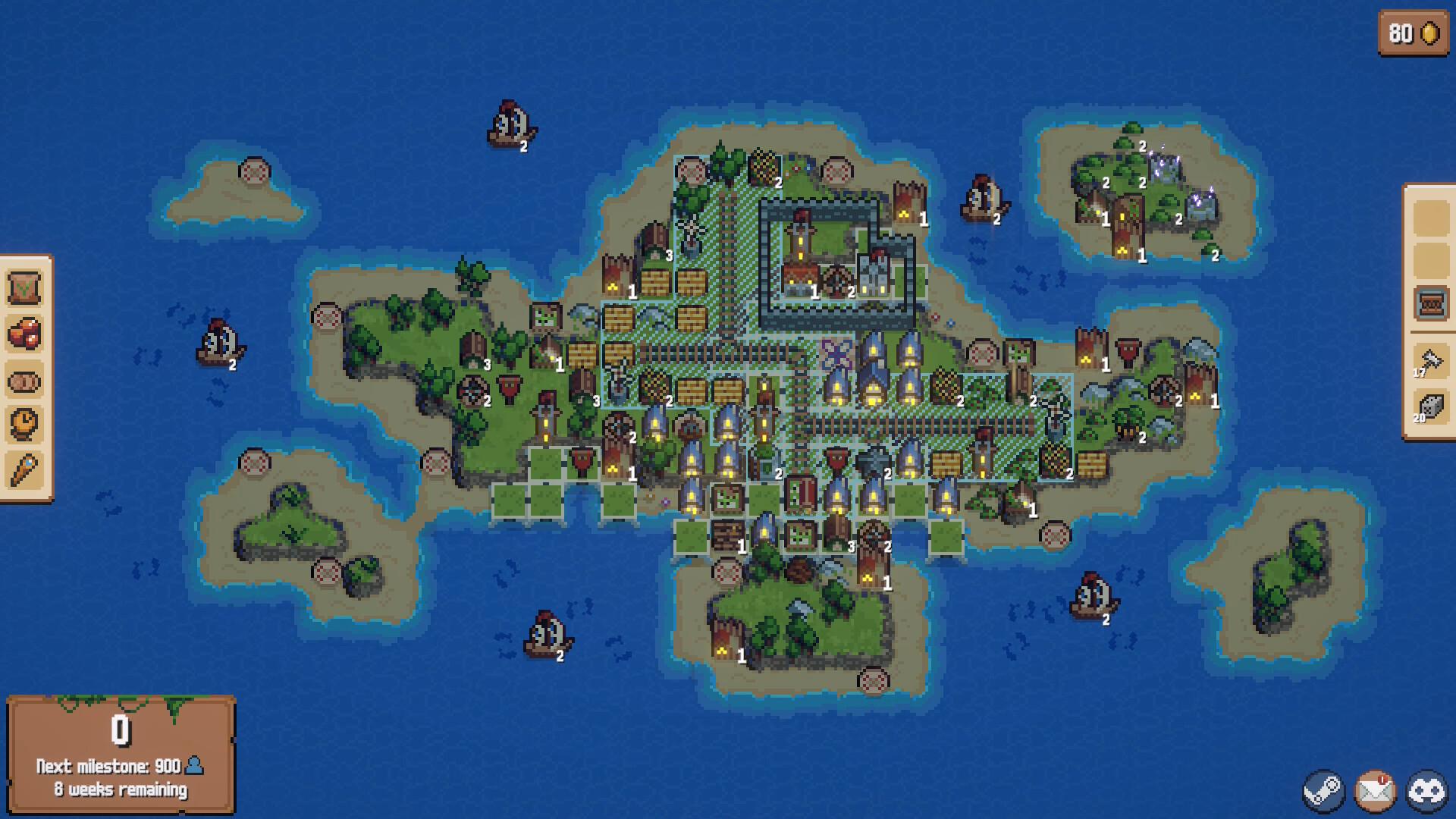
Crux Games' A$13.95 roguelike has you place one building a week on a tiny island and chain the scoring until the population number runs away. Seven guilds played two at a time keep the runs fresh for a long while. It's too easy at the top ranks and it isn't much of a citybuilder, and it's still an 8.
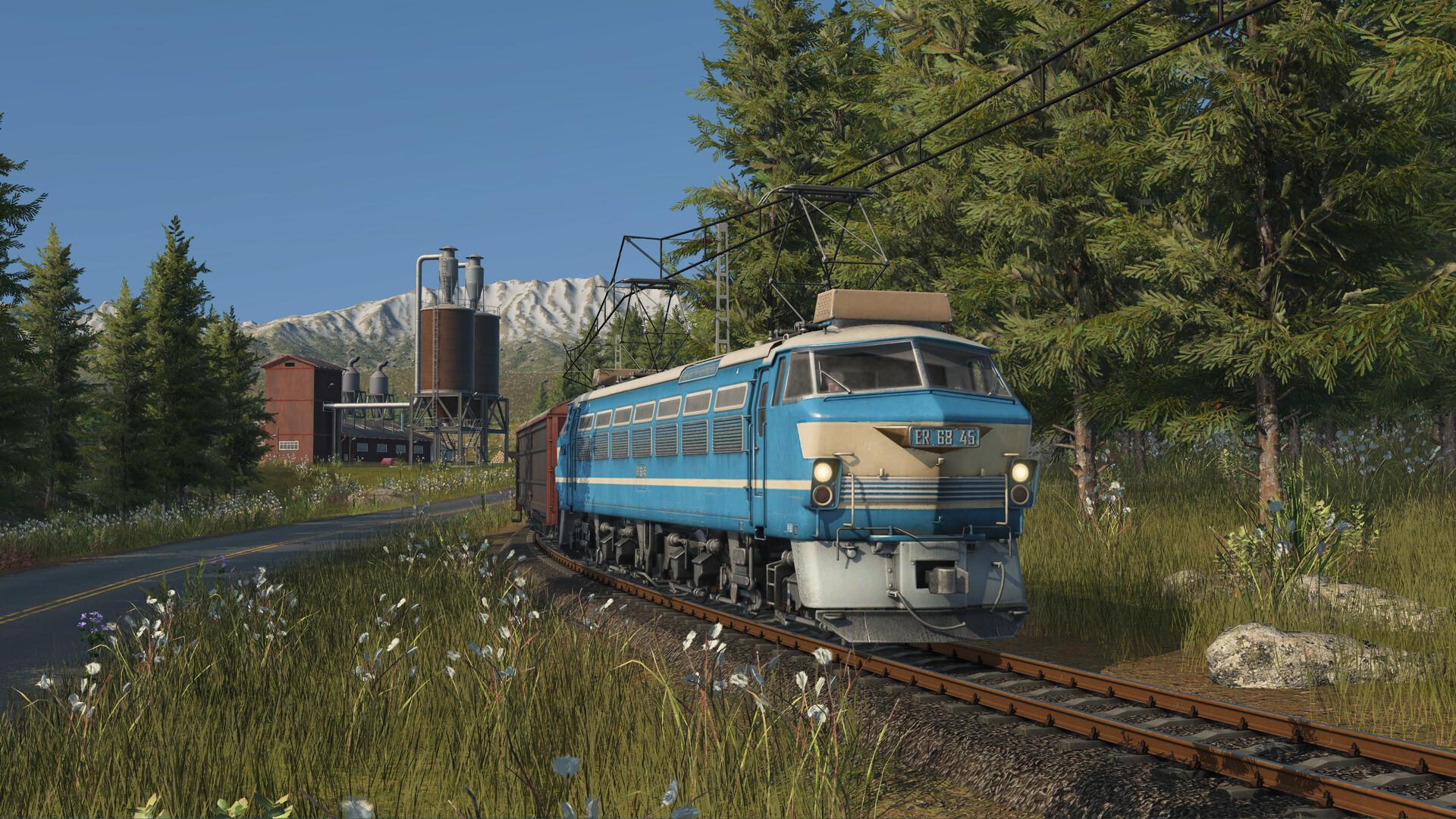




Urban Games' third Transport Fever looks gorgeous, plays better than Transport Fever 2 and has an eight-mission campaign good enough to carry the score. It also drops the 1850 start, and its depots and industries look modern in every decade. As it stands in launch week, it's a 7.5.
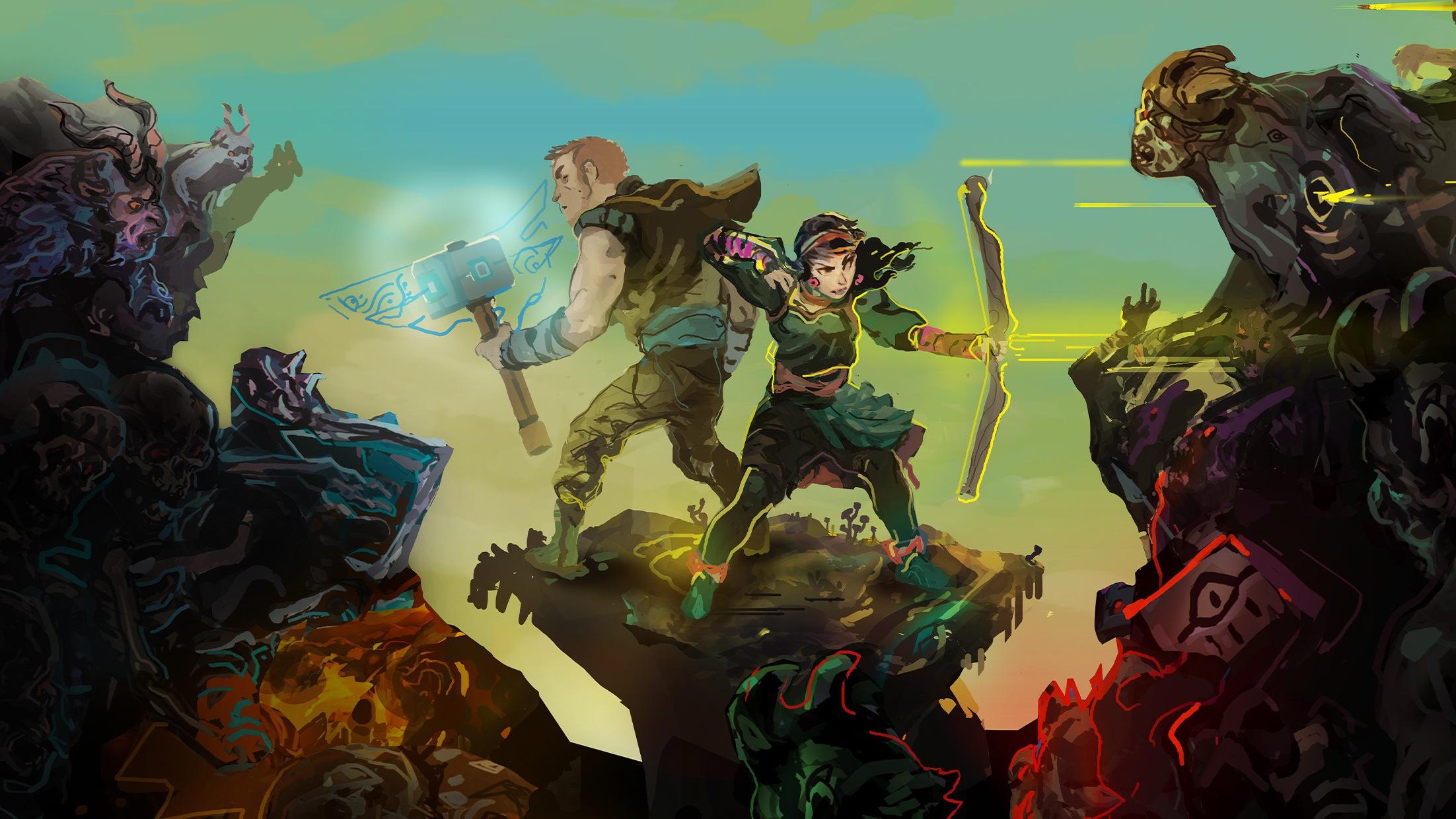
Dead Mage's 2019 roguelite sends you back to the Bergson family house after every run, win or lose, and that house is why it still stands out. The fighting is tight and nothing you earn goes to waste, though the dungeons run short of new sights. Free updates since launch added a seventh hero, New Game Plus, Family Trials and online co-op on Steam.
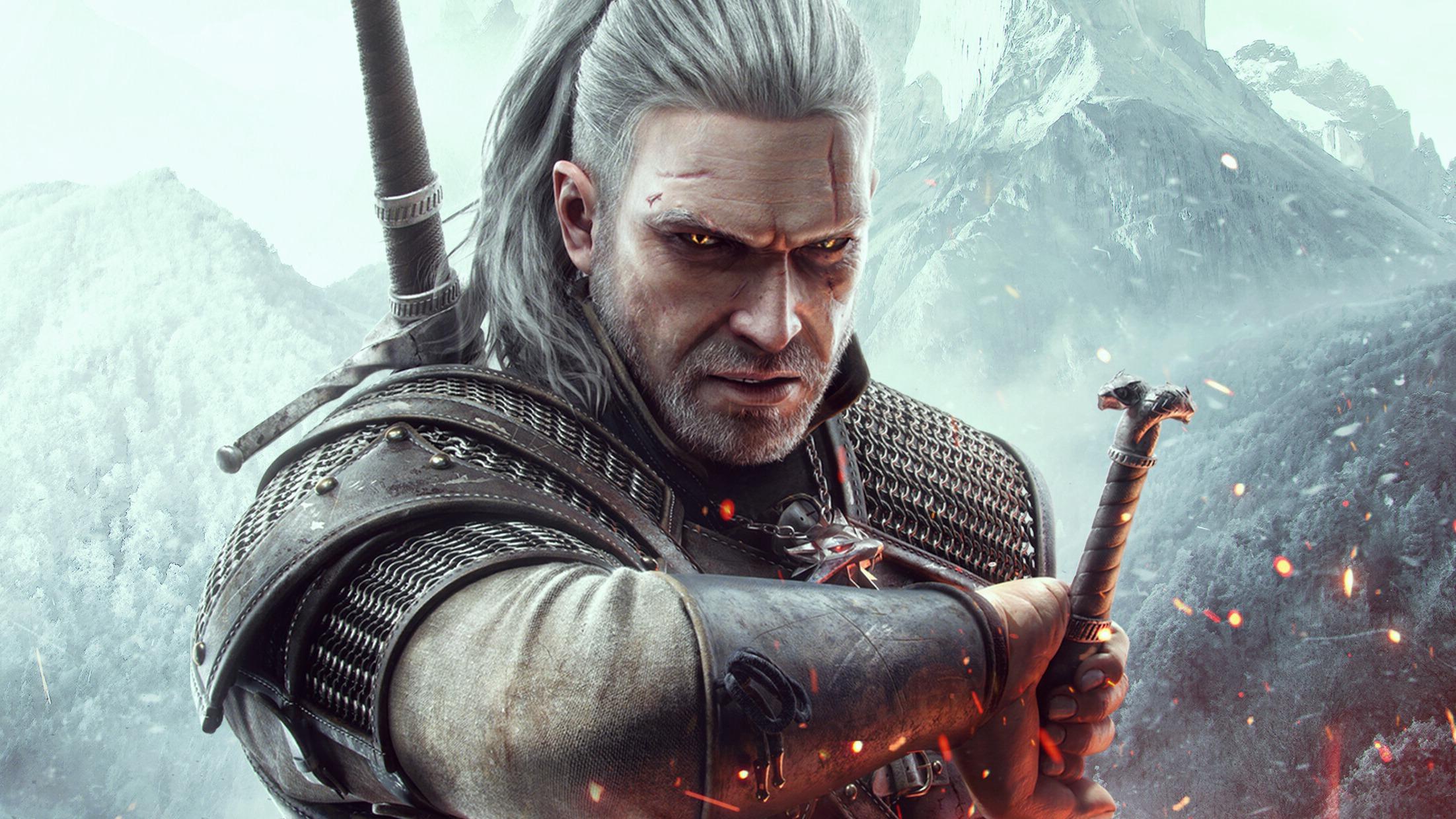
The Witcher 3: Wild Hunt Remastered is CD Projekt Red's 2015 RPG with a free September 2026 update on top, which adds a new skill tree, better movement and both expansions. It's still the game I measure the genre against. Combat is still the weak part and the PC launch has been rough on AMD cards. It's a 10 for the writing.
MaFi Games' island factory sim makes you dig your own mines, feed a town and keep every machine maintained, and it punishes a shortage harder than Factorio or Satisfactory do. The terrain and logistics are excellent. The opening hours and the late game are rough, and it's still in early access after four years.
Hovgaard Games' business sim left early access on 28 August 2026 with The Hamptons and a private driver service. Making you carry your own stock through a scaled-down New York is still its best idea, and the reason every warehouse and manager feels earned. The driving wears thin and the late game repeats itself.
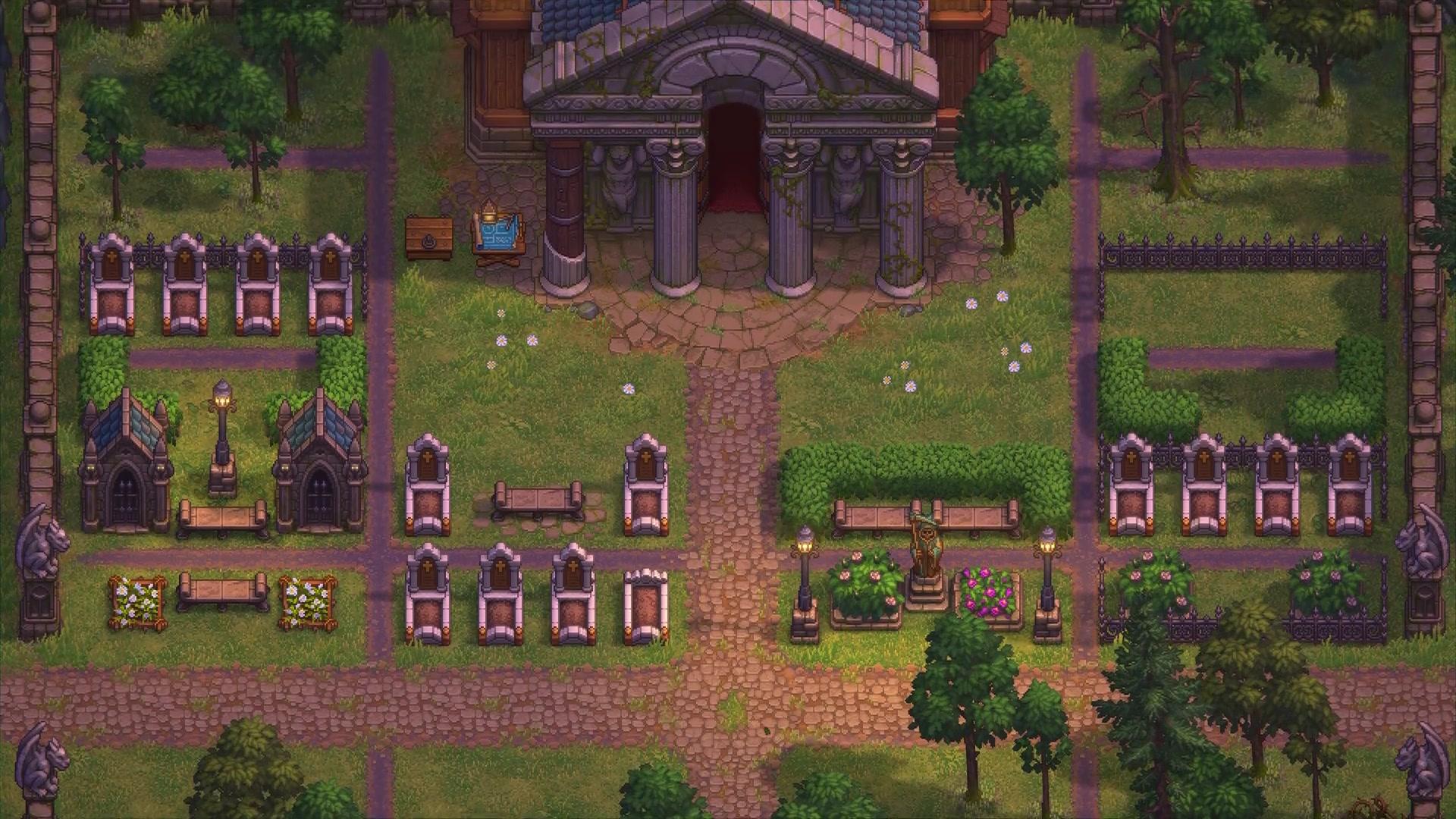
Lazy Bear Games answered the first Graveyard Keeper's biggest complaints with zombie automation in the base game and tech points that don't run dry. It is still a grind. It is also a game where you start a workbench, pick a mushroom, take a quest and find bronze nails in your backpack with no idea why, and it's a 9.
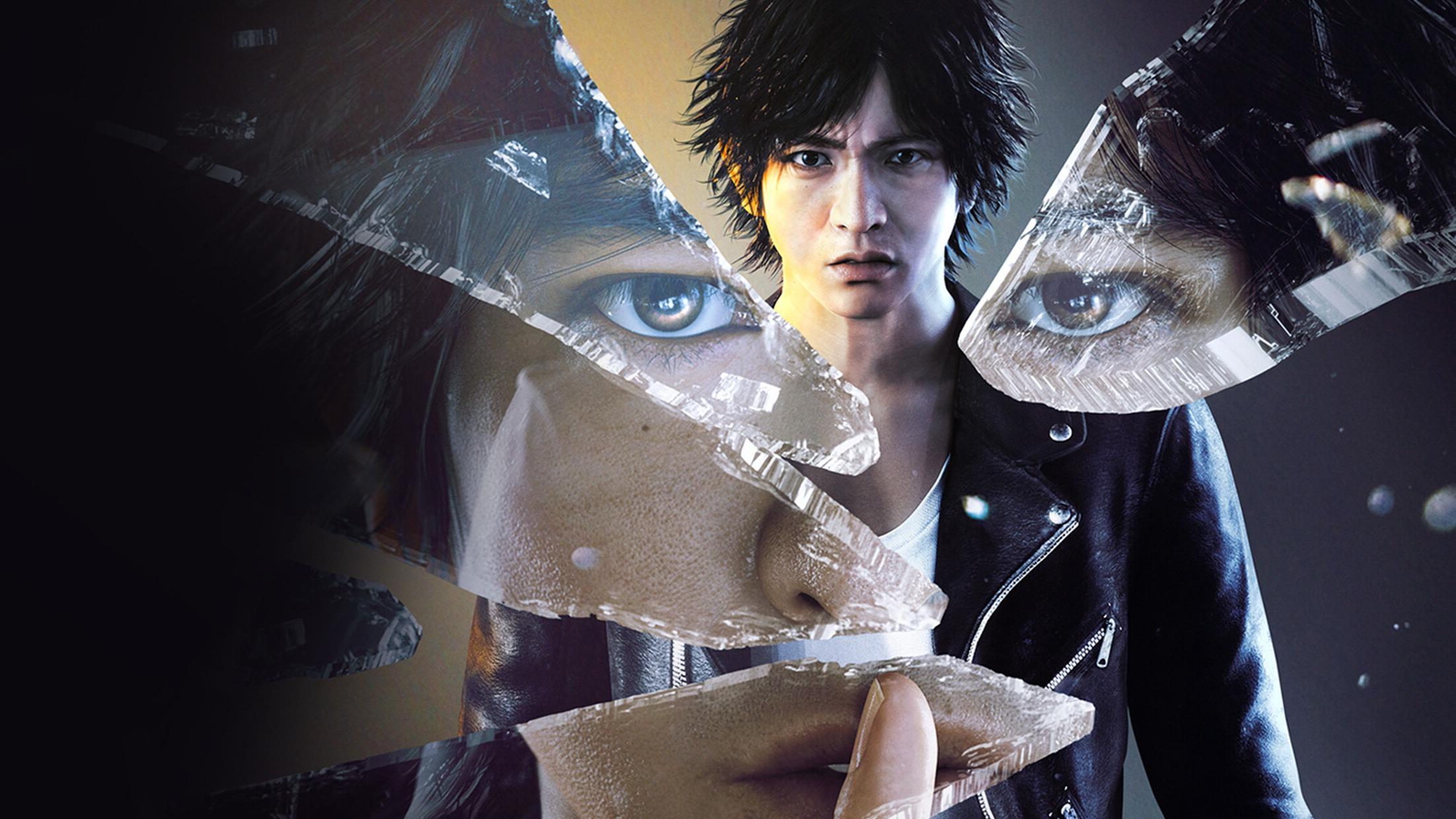
RGG Studio's sequel moves Yagami to Yokohama and into a high school, on a case about bullying that asks harder questions than the first game. The combat and side content are a clear step up. The story takes too long to make its point, and the stealth sections barely count as play.
RGG Studio handed Kamurocho to a disgraced defence lawyer and got the most focused story it has told. The fighting holds up and the side content is as daft as ever, but tailing missions and toothless investigations drag the middle down. Start here before Lost Judgment.
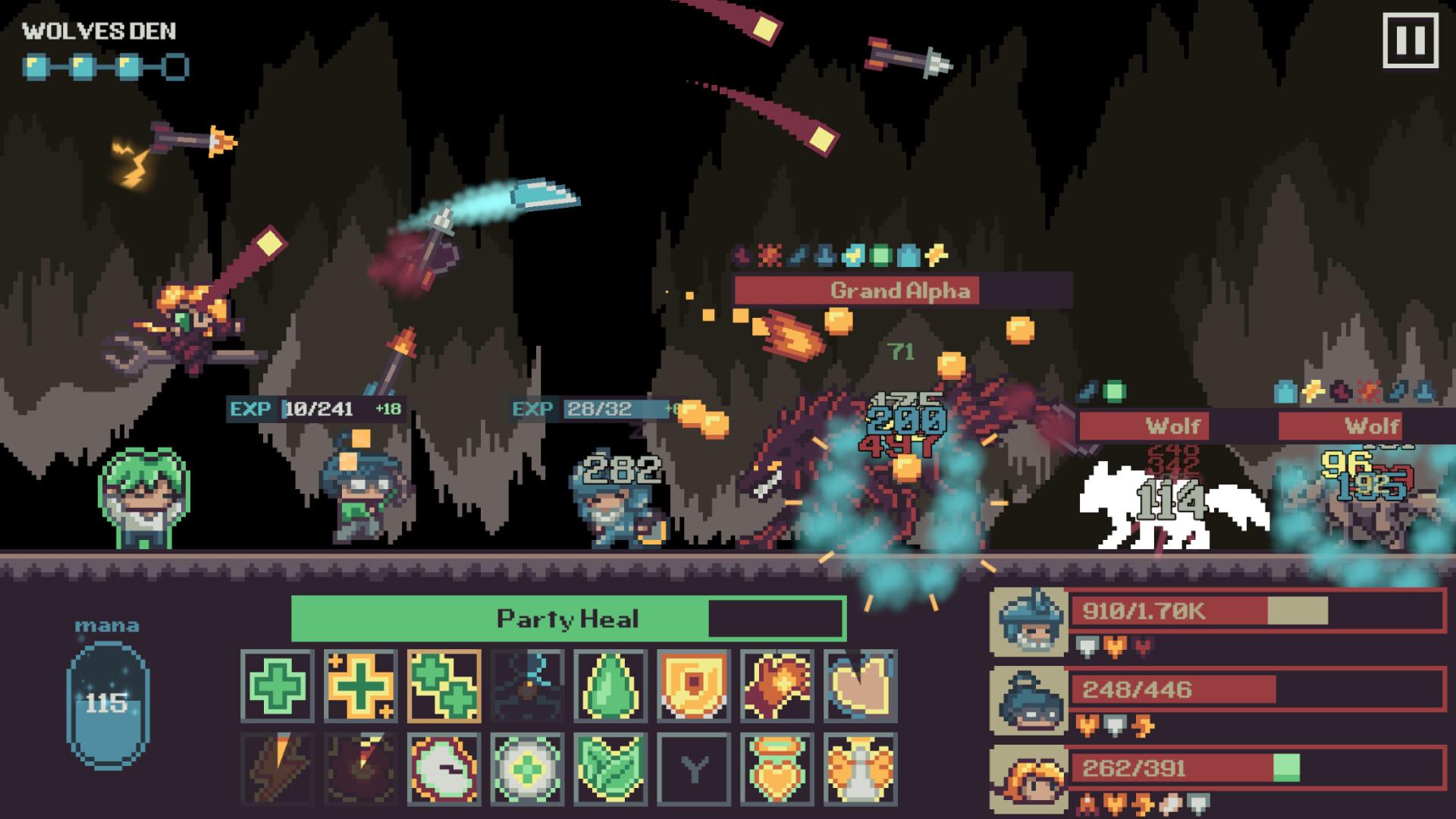
Evrac Studio's incremental RPG hands you the one job nobody volunteers for. The party swings on its own, you spend mana, and four hours later you have a 200 node skill tree and a permanently asleep tank who is somehow still standing. A$5.75, and it ends before it wears out.
House House followed Untitled Goose Game with a co-op adventure where the main verb is talking. Voice chat is positional, walkie-talkies crackle, and one stretch takes your speech away entirely and makes you invent a language. It needs at least one other person and a working mic, and it is worth organising the group chat for.
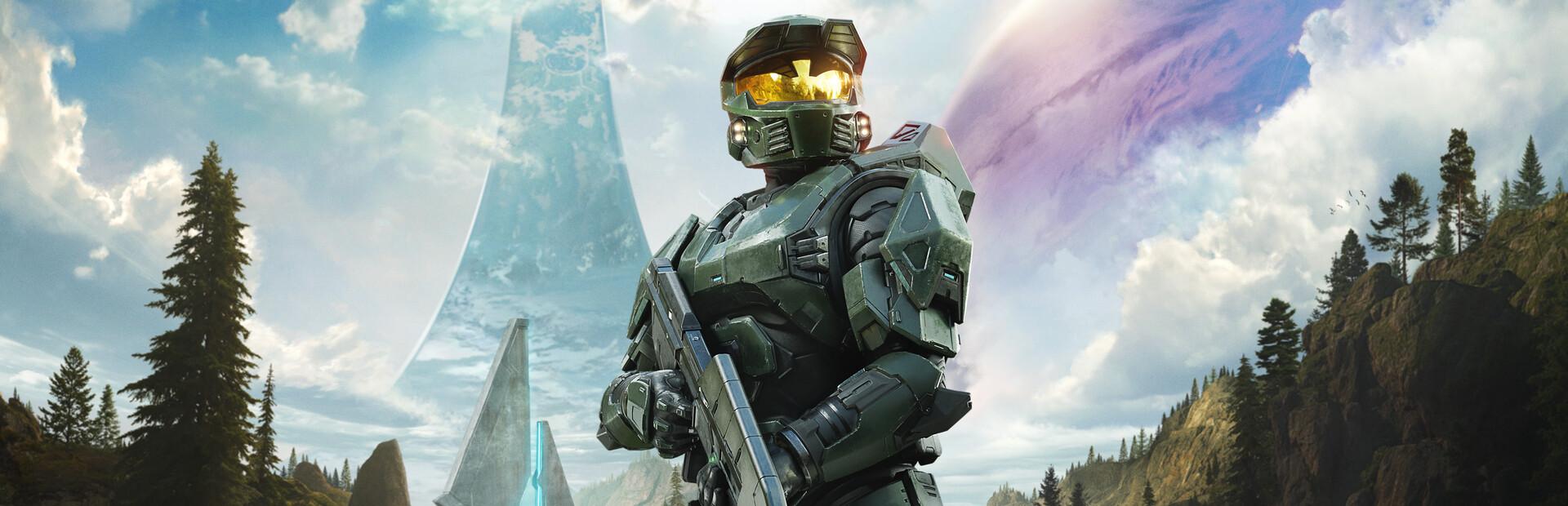
Halo Studios rebuilt Combat Evolved in Unreal Engine 5 and the sandbox is still untouchable, but the writing hands the Chief a personality he was never meant to have, turns a death cult into a political faction, and lets Cortana explain the mystery. Beautiful, and the wrong version to start on.