▶ TL;DRTransport Fever 3 looks gorgeous, plays better than Transport Fever 2 and has a campaign good enough to carry the score. It also drops the 1850 start and puts modern depots and industries into 1900, and that costs it. A 7.5 as it stands, with room to climb if Urban Games patches in period models.
I have hundreds of hours in Transport Fever 2. When Urban Games put out the vehicle trailer for the sequel last year, I wrote here that my transport tycoon dreams were coming true. Transport Fever 3 came out on 29 September on PC, PlayStation 5 and Xbox Series X|S, with Paradox Interactive publishing, and it costs A$69.95 on Steam.
It looks gorgeous and it plays even better. The campaign is the best thing in it. I still had higher hopes, and as it stands in launch week Transport Fever 3 is a 7.5.
The campaign earns the score
There are eight missions, and each one drops you into a real moment with a transport problem attached. The first is New Orleans in 1906, where you get Mardi Gras back on the road with horse-drawn wagons while the locals panic about alligators. Later missions cross the Alps, dig around Wadi Rum in Jordan and haul logs for the stage at a 1969 festival in Bethel that is Woodstock in everything but name. There's an oil race in Norway in 1971, a trip to Adelaide in 2015, and a finale set in 2033.
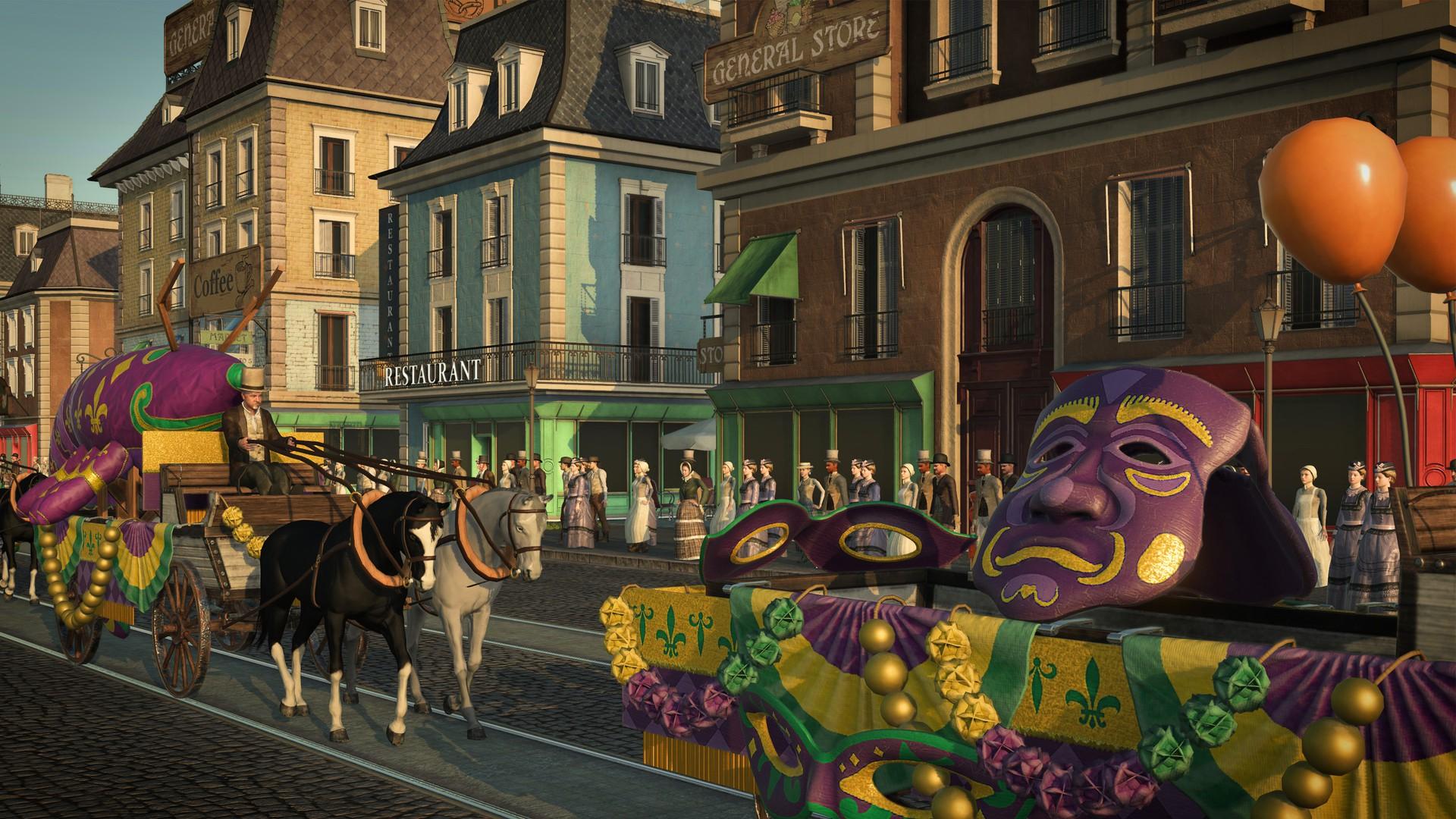
This is what lifts the score for me. Free play in this series has always been a map and whatever goal I set myself. A mission hands me a job and a deadline, marks me out of three stars, and puts me in a different decade every time, with the vehicles and streets of that decade around me. Urban Games says in its FAQ that it took the feedback on Transport Fever 2's campaign and aimed for 'more variety and increasing difficulty'.
It's short, though. The opening missions double as the tutorial, and Hardcore Gamer's review puts the whole campaign at 10 to 15 hours. Once you've collected the stars there's little reason to go back.
+ PROS
- An eight-mission campaign that runs from Mardi Gras in 1906 to a finale in 2033
- Day-night cycle and dynamic weather across four climate zones
- Per-stop cargo control and subsidy contracts add depth over Transport Fever 2
- Helicopters and cargo trams join more than 300 vehicles
- Towns and their traffic change with the decades
− CONS
- Depots and industries look modern from 1900 onwards
- No start before 1900, where Transport Fever 2 began in 1850
- Steam reviews report stutter and frame drops at launch
- No Steam Workshop, mods go through the in-game browser
Gorgeous, and better to play
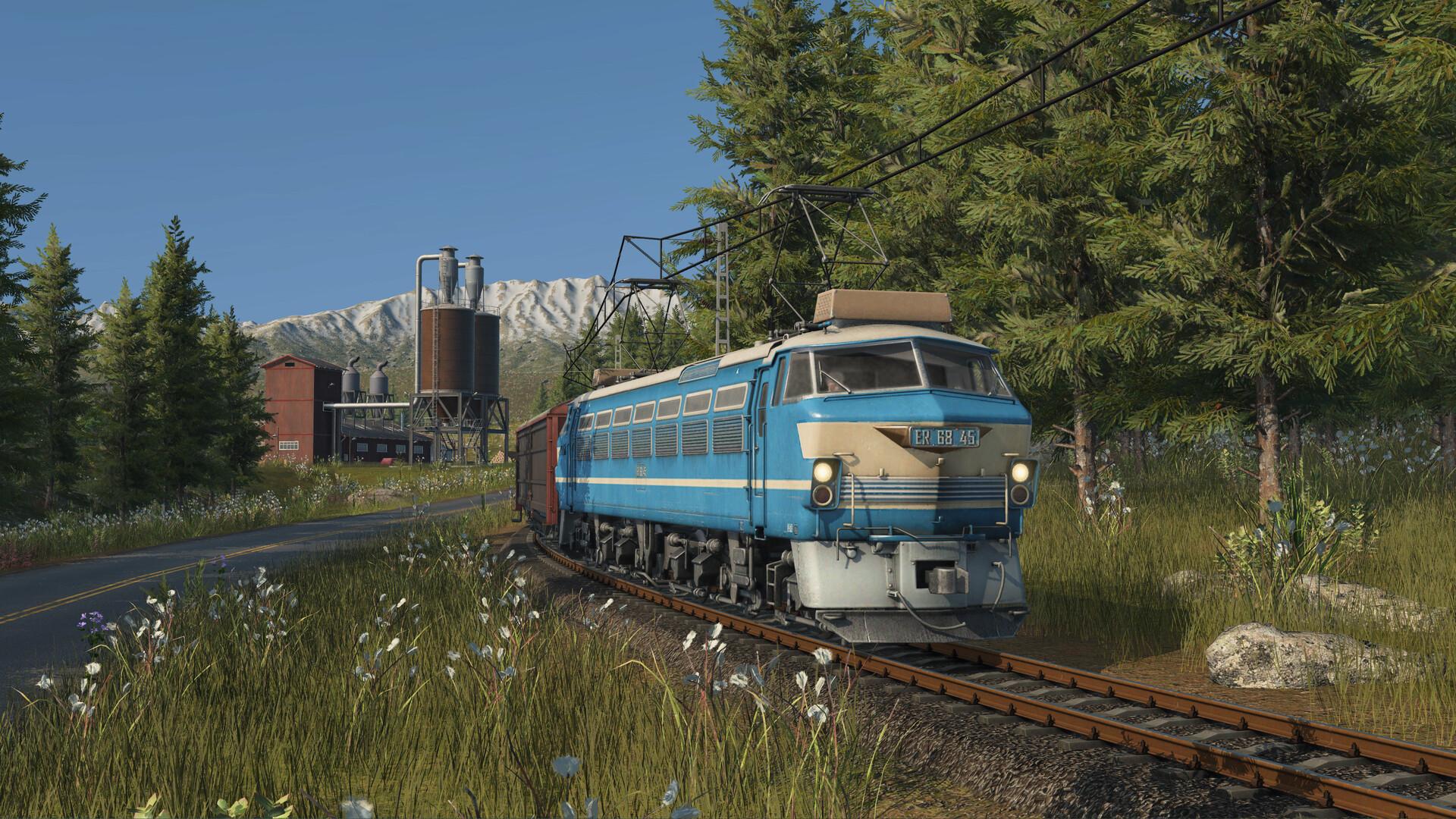
Transport Fever 3 has a full day-night cycle and dynamic weather, spread across four climate zones with a new subarctic one. You can set the weather and the time of day yourself or leave them to chance. It's the best-looking game Urban Games has made.
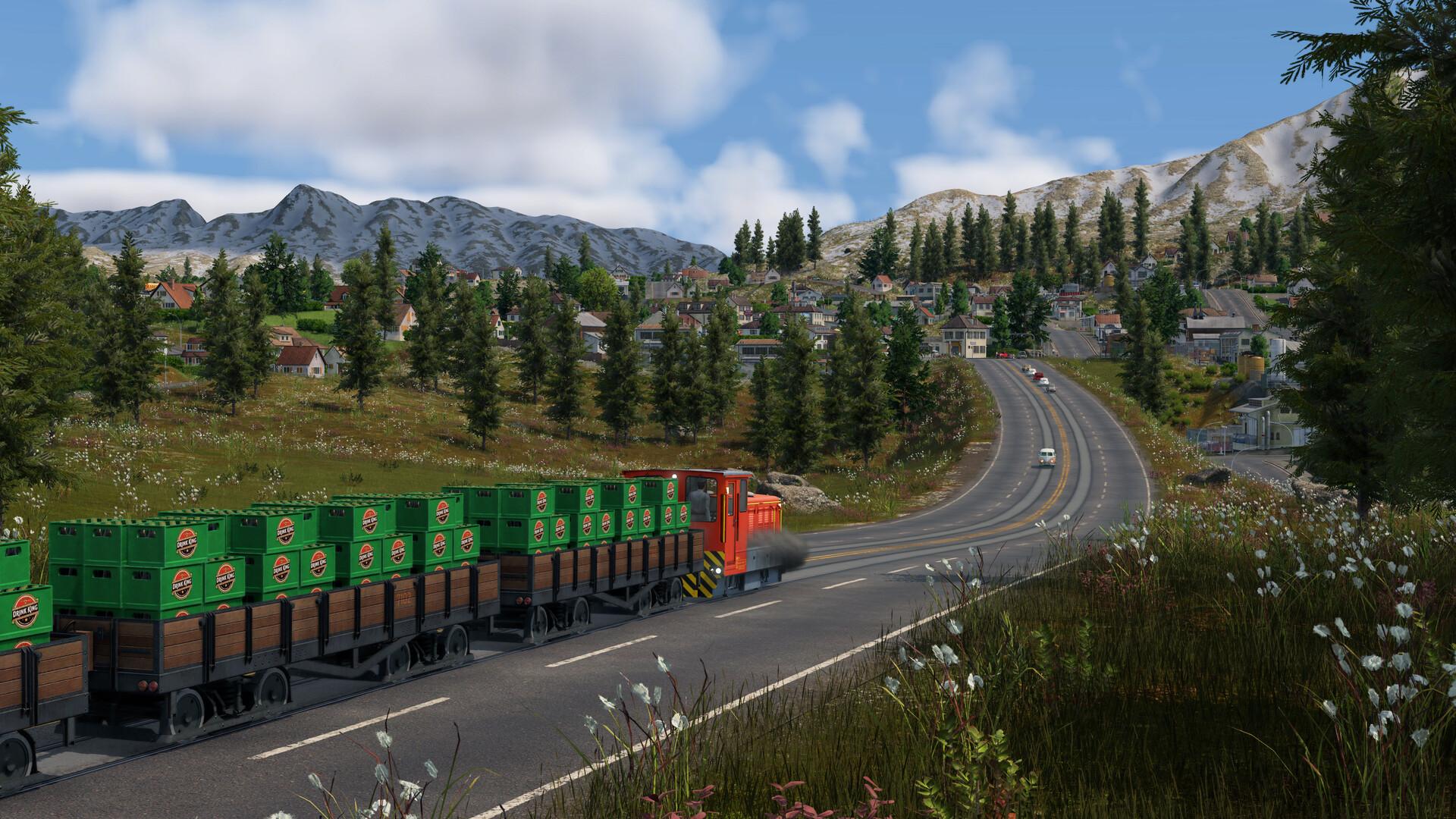
The bigger change is underneath. In Transport Fever 2 I built a line and the game worked out what travelled on it. Here I set what every stop loads and unloads, and I can park surplus cargo in warehouses. Towns and industries offer subsidy contracts that pay part of the money up front and fine me if I miss the deadline.
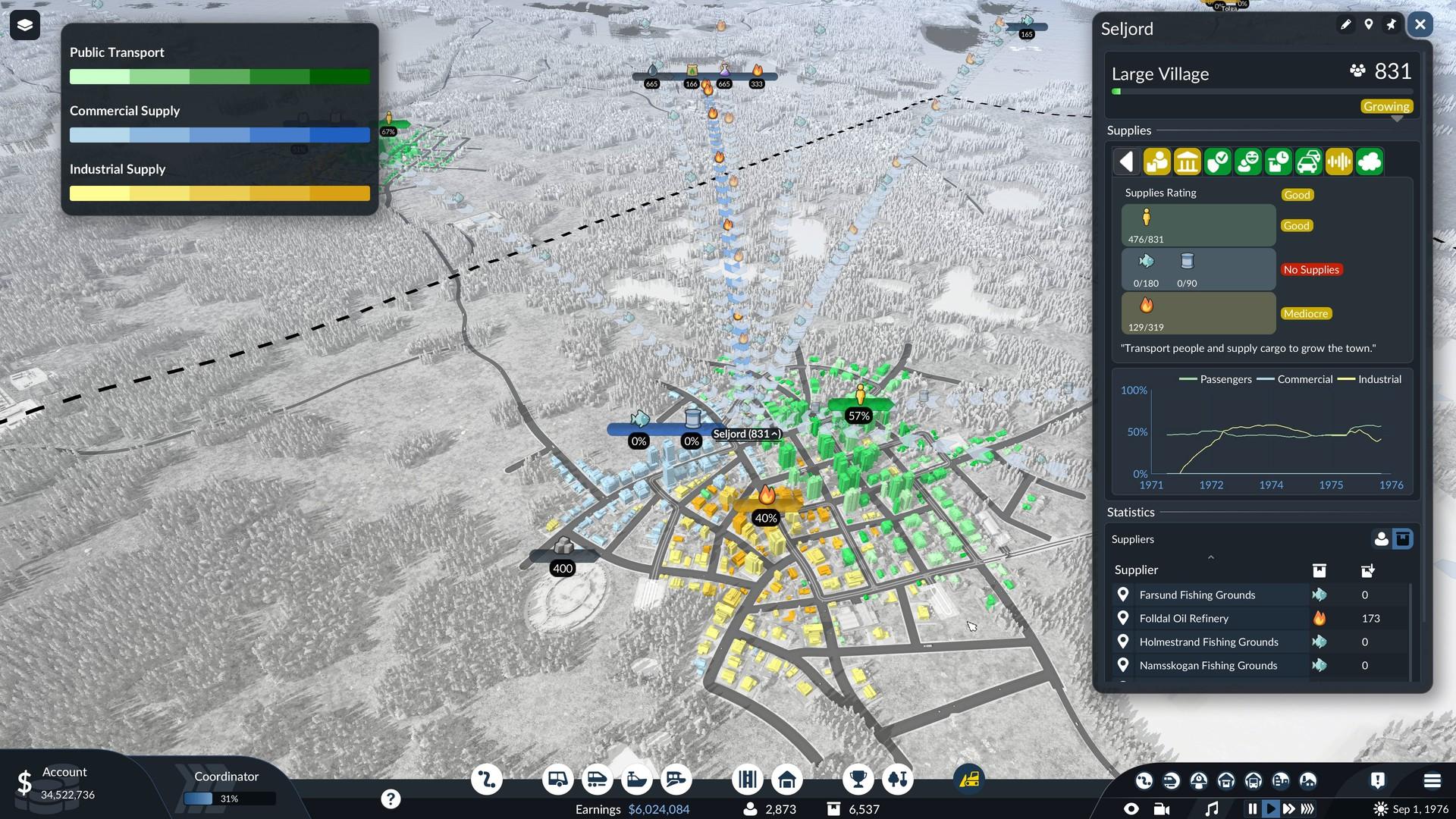
Towns have levels now, and opinions. Each one tracks supply, reputation, traffic, noise and pollution, and a town I've neglected stops growing. Add more than 300 vehicles in the base game and there's a lot more to manage than last time, which is what I wanted from a sequel.
No 1850, and 1900 looks like 2020
Transport Fever 2 started in 1850. Transport Fever 3 starts in 1900. Answering a reader under its January dev blog, Urban Games called 1900 'the point where the vast majority of players started their games in Transport Fever 2'. Dropping the earlier years bought the studio more time for 20th-century vehicles and towns, and it left an earlier start to modders. I expected more from a sequel than fifty fewer years.
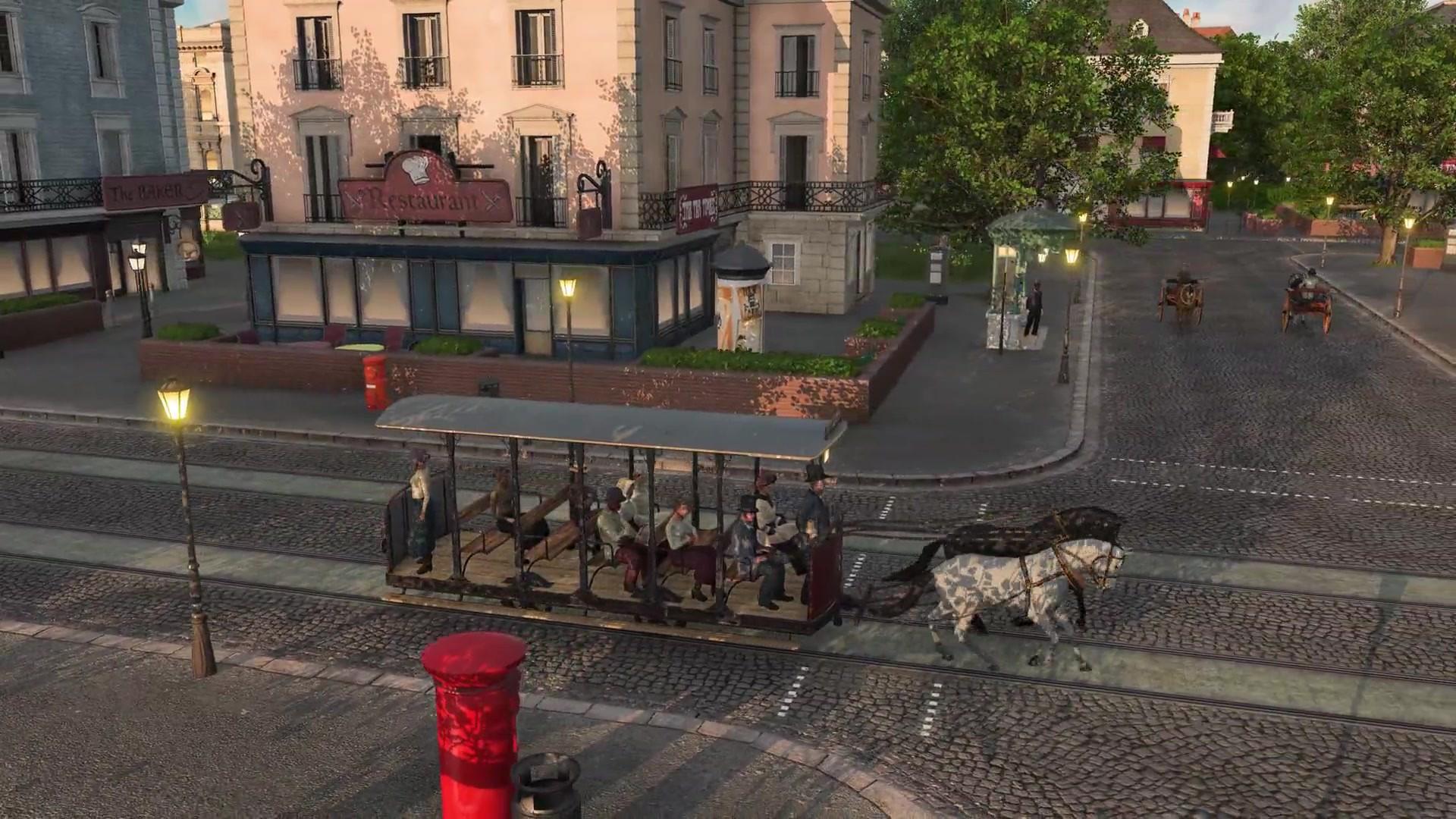
The harder thing to forgive is what 1900 looks like. The towns do their part. The streets are cobbled and a horse pulls the tram. Then I plop down a depot or a warehouse and it arrives with fresh asphalt and hazard paint. The industries are the same, so a horse-drawn wagon ends up collecting from a yard full of modern machinery.
You plop something down in 1900 and it looks like it was built in 2020.
The store page promises that 'the whole world, including buildings, people, and cars, follow designs and trends through time'. That holds for the towns. It doesn't hold for the things I build or the industries I serve, and those are what I spend most of a game looking at. Watching a network age across a century is the reason I play this series.
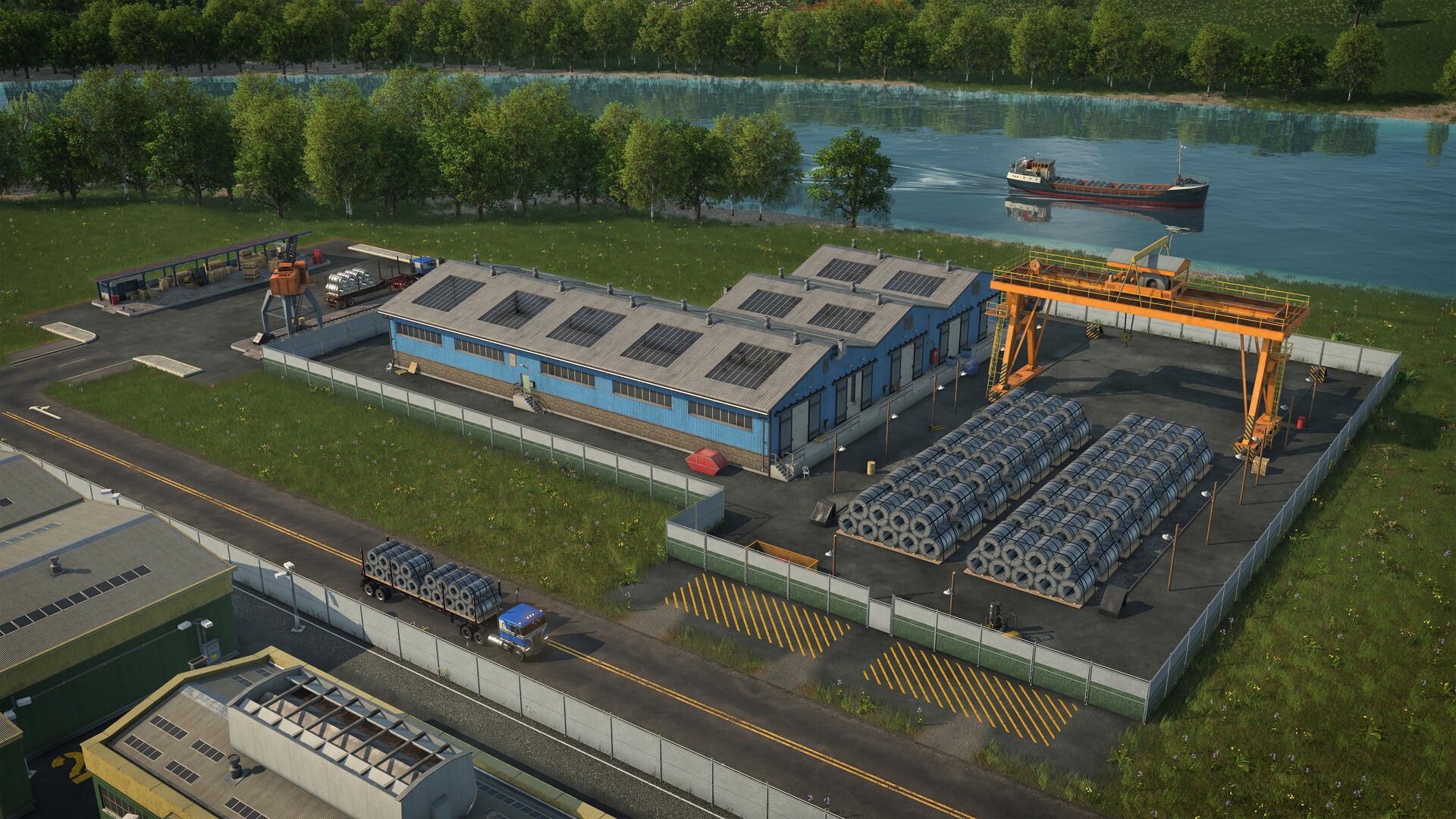
I'm in company here. One of the most-upvoted negative reviews on Steam makes the same complaint about asphalt and modern machinery in 1900, and a positive one I read calls it the only nitpick.
Launch week on Steam
That 7.5 is a launch-week score. Critics have been kind, with an 84 on Metacritic for the PC version. Steam users are harsher. As I write this, 69 per cent of about 3,300 reviews are positive, which Steam labels Mixed.
The complaints I kept seeing are frame drops and stutter, and a new interface that puts common actions behind extra clicks. Hardcore Gamer saw the stutter on a Ryzen 7 9800X3D with an RTX 5090, so hardware won't buy your way out. There's no Steam Workshop either. Mods come through an in-game browser that also works on consoles.
Patches can fix performance and menus. They could fix the models too, if Urban Games wants to make period versions of its depots and industries. I'd raise the score if it did.
Watch the trailer
Verdict
Transport Fever 3 is prettier than Transport Fever 2 and better to play, and the campaign is why it lands at 7.5 and no lower. It also starts fifty years later than the last game and fills 1900 with buildings from 2020. For someone with hundreds of hours in Transport Fever 2, that takes the shine off. If you're new to the series, start here. If you live for the steam era, keep Transport Fever 2 installed and watch the patch notes.

PLAYER COMMENTS
LOADING...