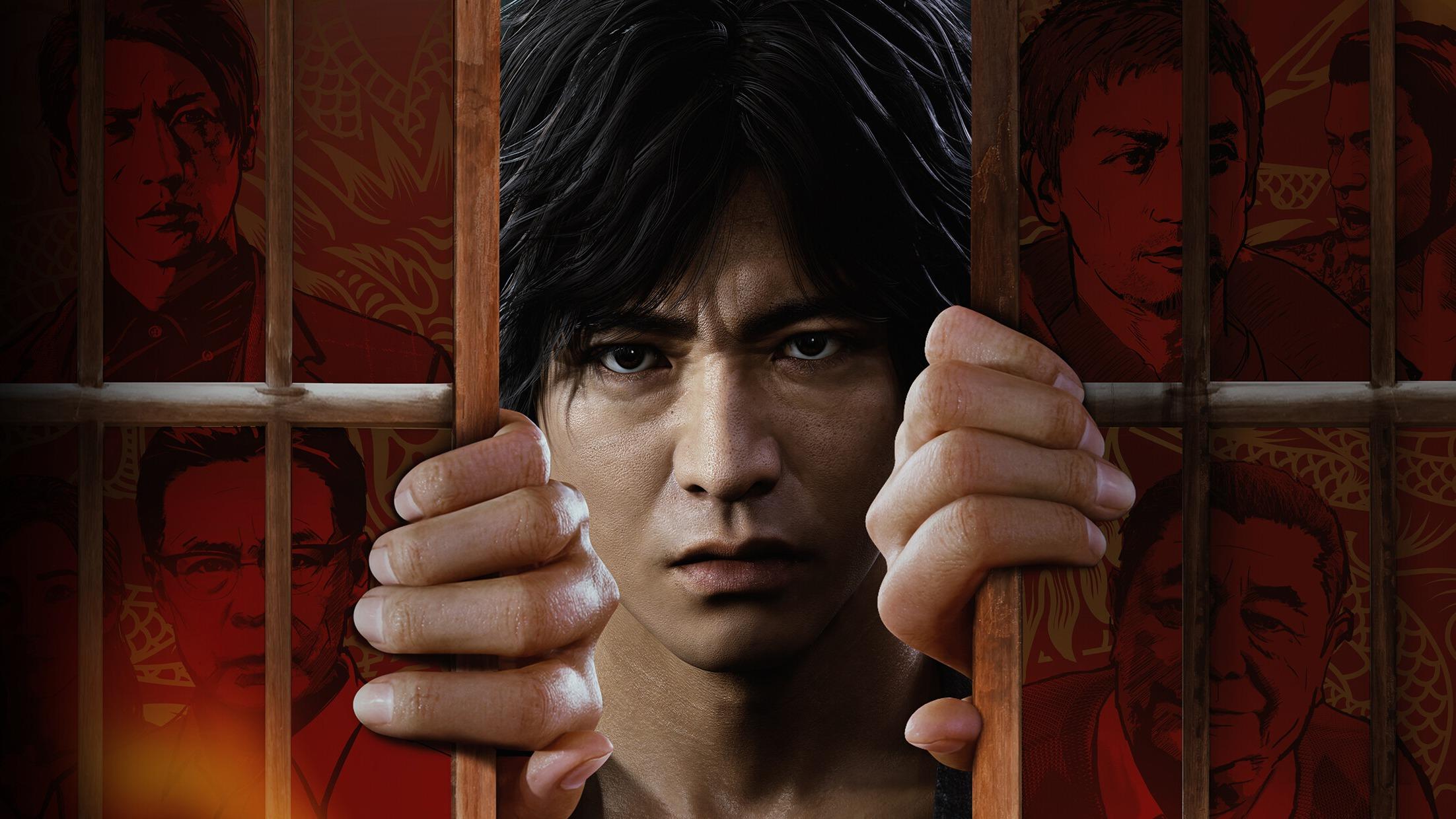
▶ TL;DRLost Judgment plays better than Judgment and tackles a braver subject, but it takes too long to make its point. Snake style and the School Stories carry it through a bloated middle. Play Judgment first, then come here for everything around the case.
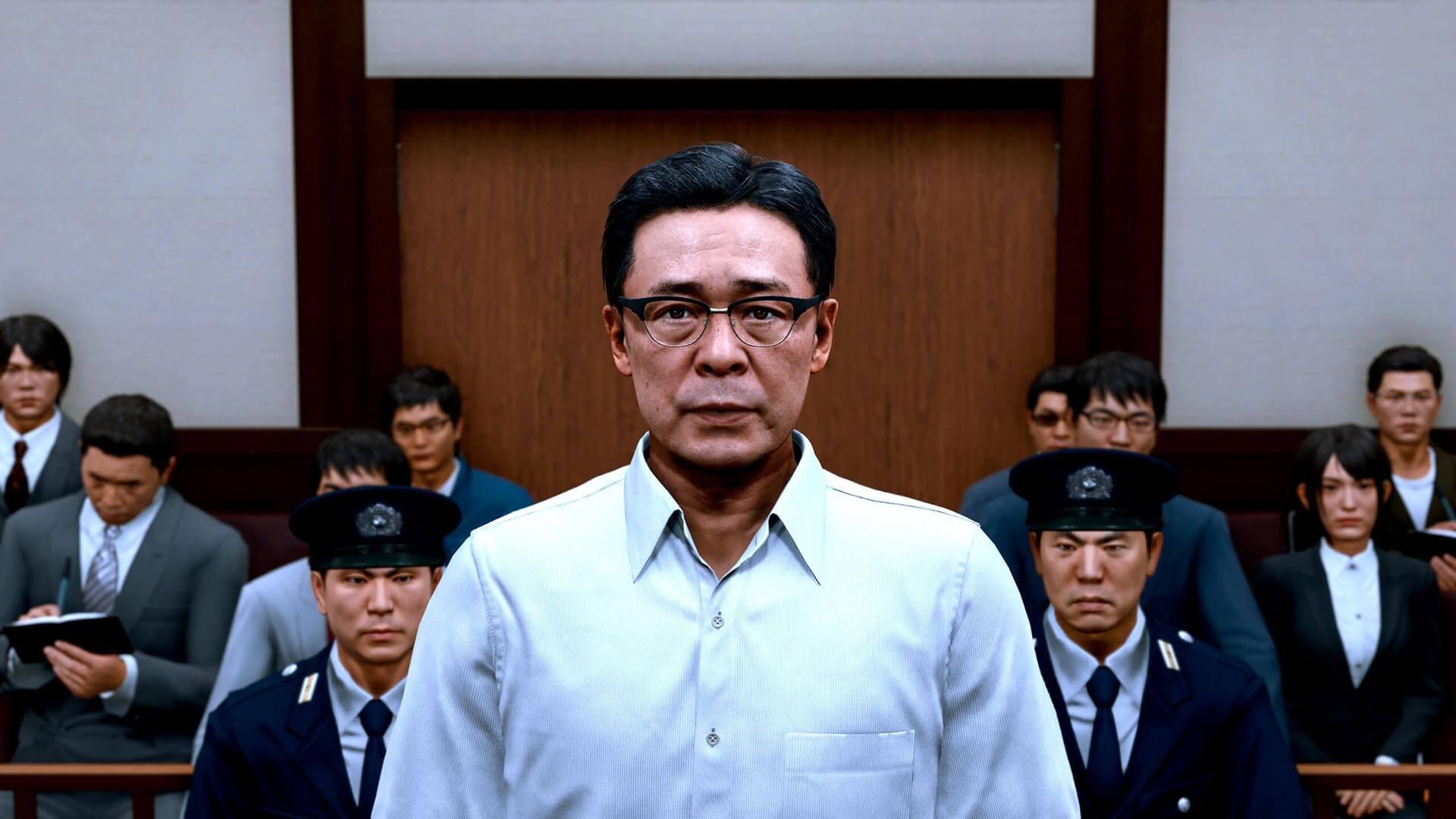
Lost Judgment opens on its best scene. Akihiro Ehara, a police officer in court over a groping charge, tells everyone where to find a body in Yokohama before the police have found it. The dead man is Hiro Mikoshiba, a student teacher Ehara blames for bullying his son into suicide. Ehara's alibi is the groping charge itself, which puts him somewhere else when Mikoshiba died.
Saori Shirosaki at Genda Law Office brings Yagami in on Ehara's appeal, and a second job arrives at the same time. Seiryo High, the Yokohama school where Mikoshiba worked, wants its bullying problem looked into quietly, so Yagami goes undercover as an advisor to the student clubs. RGG Studio released it in September 2021 on PlayStation and Xbox and on Steam a year later, where it sells for A$62.95. The Kaito Files, a ten-hour story expansion starring Kaito, followed in March 2022.
A braver case, told too slowly
The subject is bullying, and specifically what happens when the adults and the law both fail to stop it. Japan's juvenile law, which shields young offenders from adult sentences, hangs over almost every scene. Lost Judgment handles student suicide with more care than I expected, and it keeps its sympathy split between the victims and the people taking revenge on their behalf.
It asks whether you can blame someone for punishing a bully the law let go, and it never hands you the easy answer.
The problem is how long it takes to say it. The middle chapters keep circling back to discoveries you already made, with characters walking each other through the same conclusions in different rooms. A subplot about the RK, a gang led by Kazuki Soma, adds scale and a pile of fights without adding much to the argument. I felt the drag for several chapters before the case picked up again.
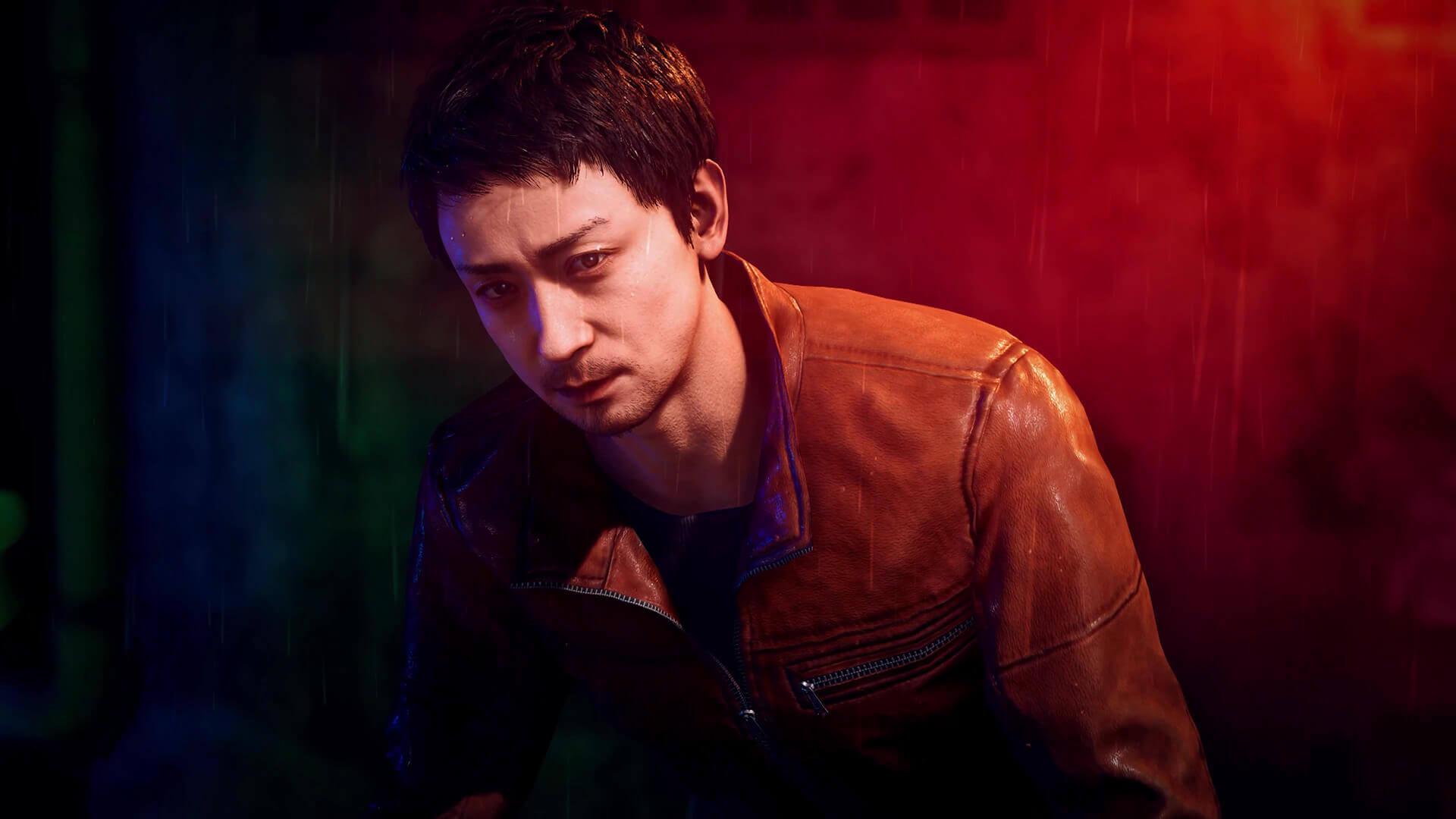
Jin Kuwana is the reason to push through. He is a handyman who keeps turning up a step ahead of Yagami, and Koji Yamamoto plays him with a stillness that makes every scene he is in feel dangerous. The story is at its best when the two of them argue about what justice looks like after the system has already failed.
+ PROS
- Snake style gives Yagami a real answer to armed enemies
- School Stories add dozens of hours of side plots with proper endings
- A bullying story that takes its subject seriously
- Jin Kuwana is a rival worth the wait
- Two cities to explore, Yokohama's Ijincho and Tokyo's Kamurocho
− CONS
- The main case repeats its own discoveries and drags through the middle
- Stealth and climbing sections are scripted walks
- Boxing style is locked behind paid DLC
- Some School Stories need more minigame grinding than they deserve
Snake style fixes the fighting
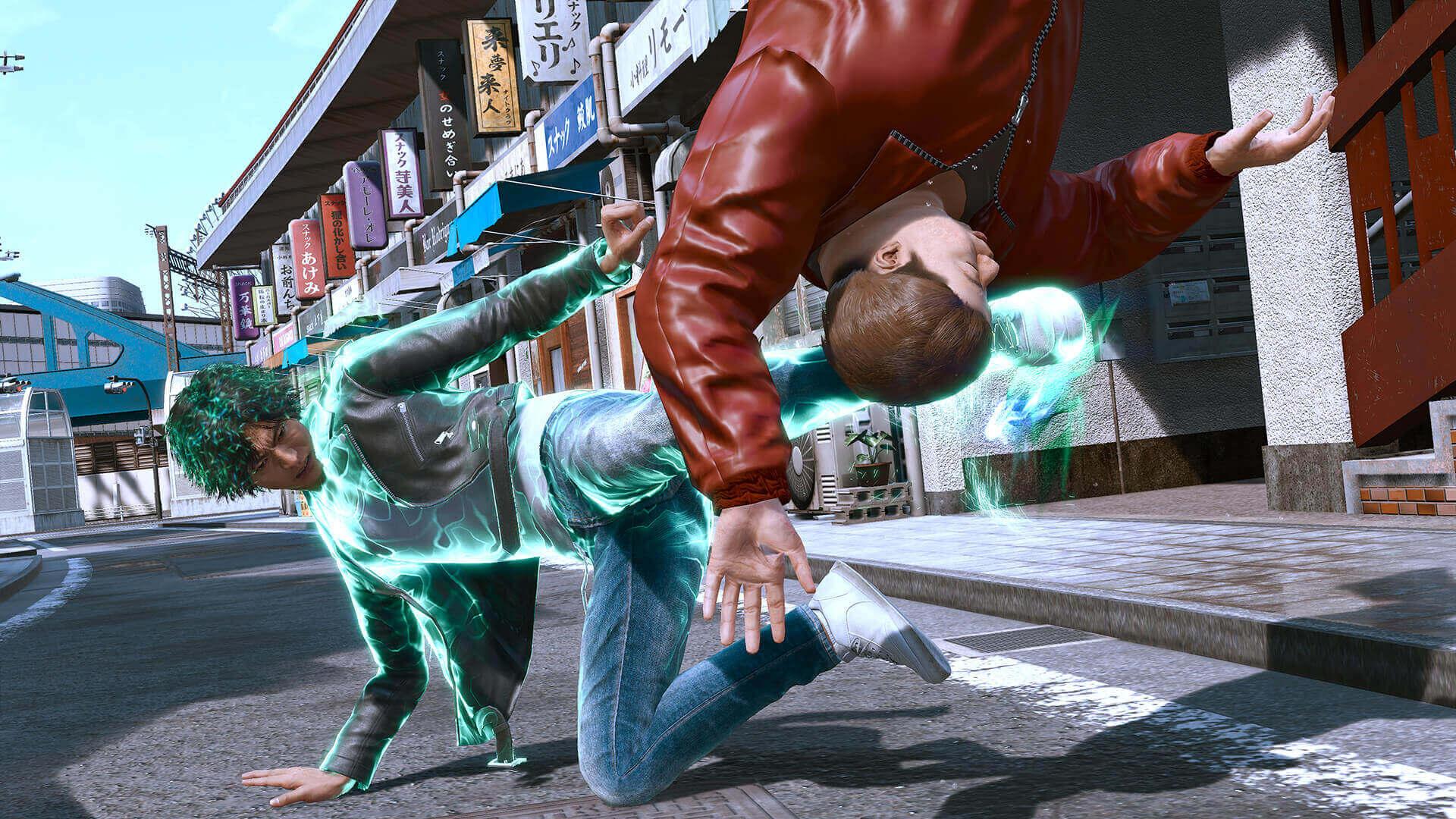
Crane and Tiger return, and the new Snake style is the best addition to the combat. It is a counter style. Yagami waits for an attack and turns it back on whoever threw it, and he can strip weapons off armed thugs in the process. Armed enemies and big bosses were where the first game's fights got messy, and Snake gives you a real answer to both.
There is a fourth style, boxing, and it sits behind the paid School Stories expansion pack, US$4.99 at launch. The price is small. Paying separately for a fighting style in a full-price game still annoys me. Yagami also gets a skateboard for getting around, which makes the bigger Yokohama map less of a trudge.
Seiryo High is a second game
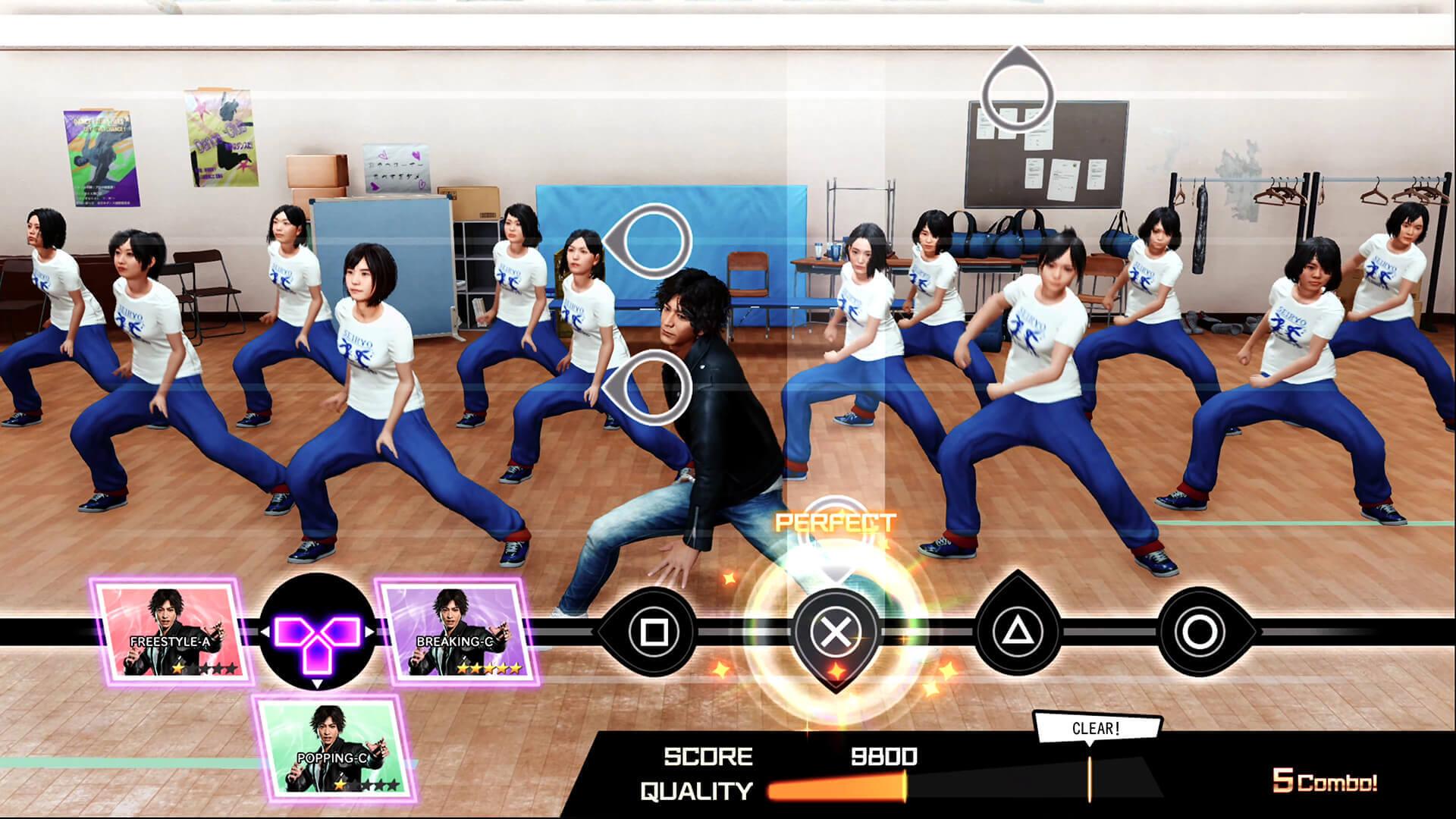
The School Stories are where Lost Judgment pulls ahead of the first game. As the clubs' advisor, Yagami coaches a dance team through a rhythm game, builds robots for grid-based matches, takes on rival skate crews and takes down a motorbike gang at speed, among other things. Each one runs its own storyline to a proper ending, and several are better written than the main plot.
It adds dozens of hours on top of the main case, and some of it drags. The robotics club runs out of ideas well before its story ends, and unlocking the next chapter of a club can mean grinding its minigame longer than the minigame deserves. The dance team storyline is worth the time on its own, which I did not expect to say about a game where the lead punches men through windows.
Ijincho, borrowed from Yakuza: Like a Dragon, is the main map, and Kamurocho comes back too. The arcades are stocked again, and the usual darts and batting cages are waiting for anyone avoiding the main plot.
Stealth on rails
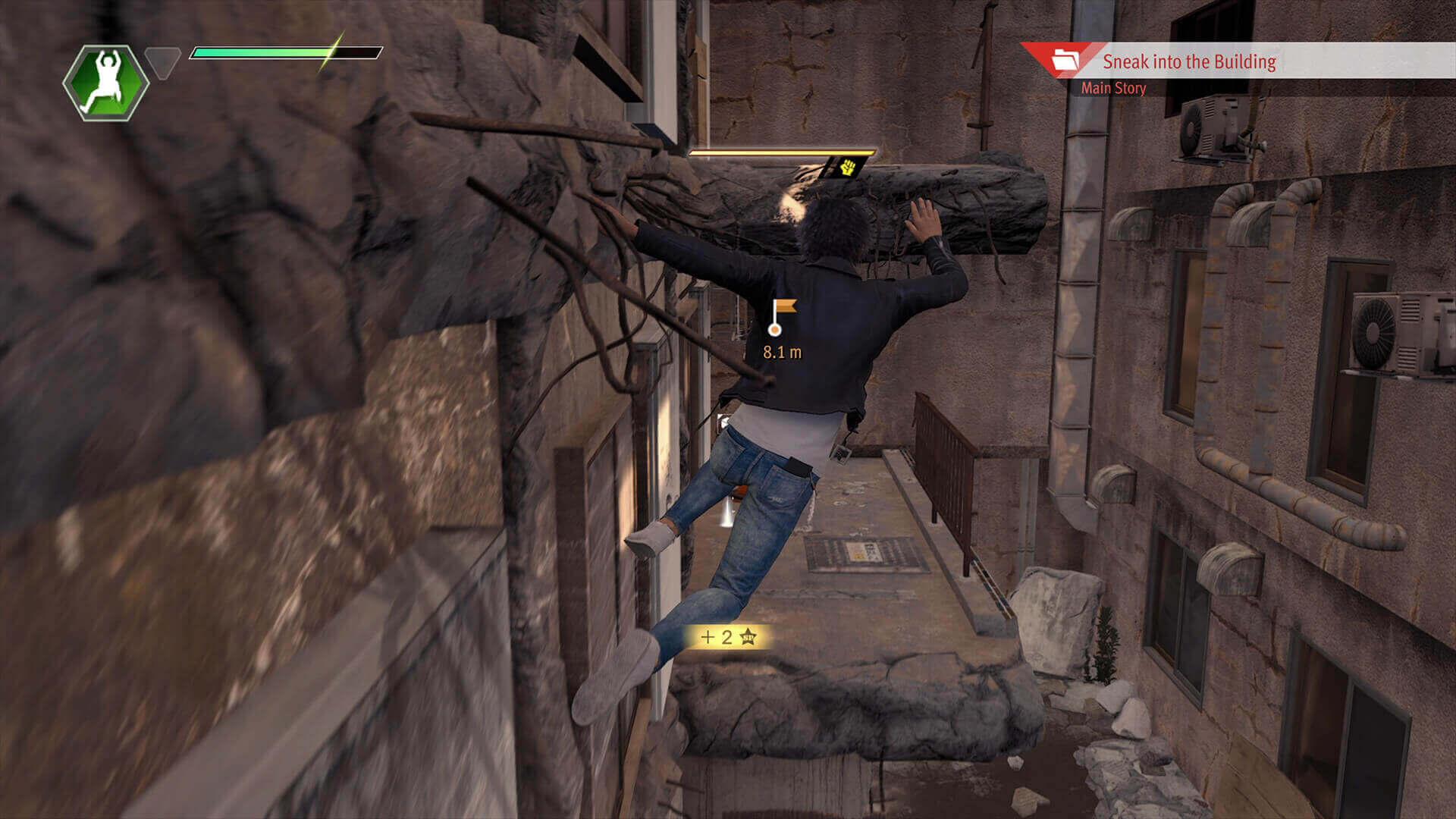
The new detective mechanics are where Lost Judgment stumbles. Stealth sections let Yagami toss a coin to distract a guard and slip past, and that is about the extent of it. The climbing sections put him on a wall with one route to the top and a marker showing where it ends. In the trailers they look like a new layer of play. In the game they are corridors with a camera angle.
Investigation mode gets a few new toys, including a noise amplifier for eavesdropping from across the street. They are fun to use, and the game tells you exactly when to use them, which is the same problem the first game had. Tailing missions are back as well.
Watch the trailer
Verdict
Lost Judgment is the better game to play and the weaker story to sit through. Snake style and the School Stories make it worth your time, and Kuwana gives the story a rival worth finishing it for. It takes on bullying with real conviction, and it needed an editor more than it needed another subplot. Play Judgment first, then come here for everything around the case.

PLAYER COMMENTS
LOADING...