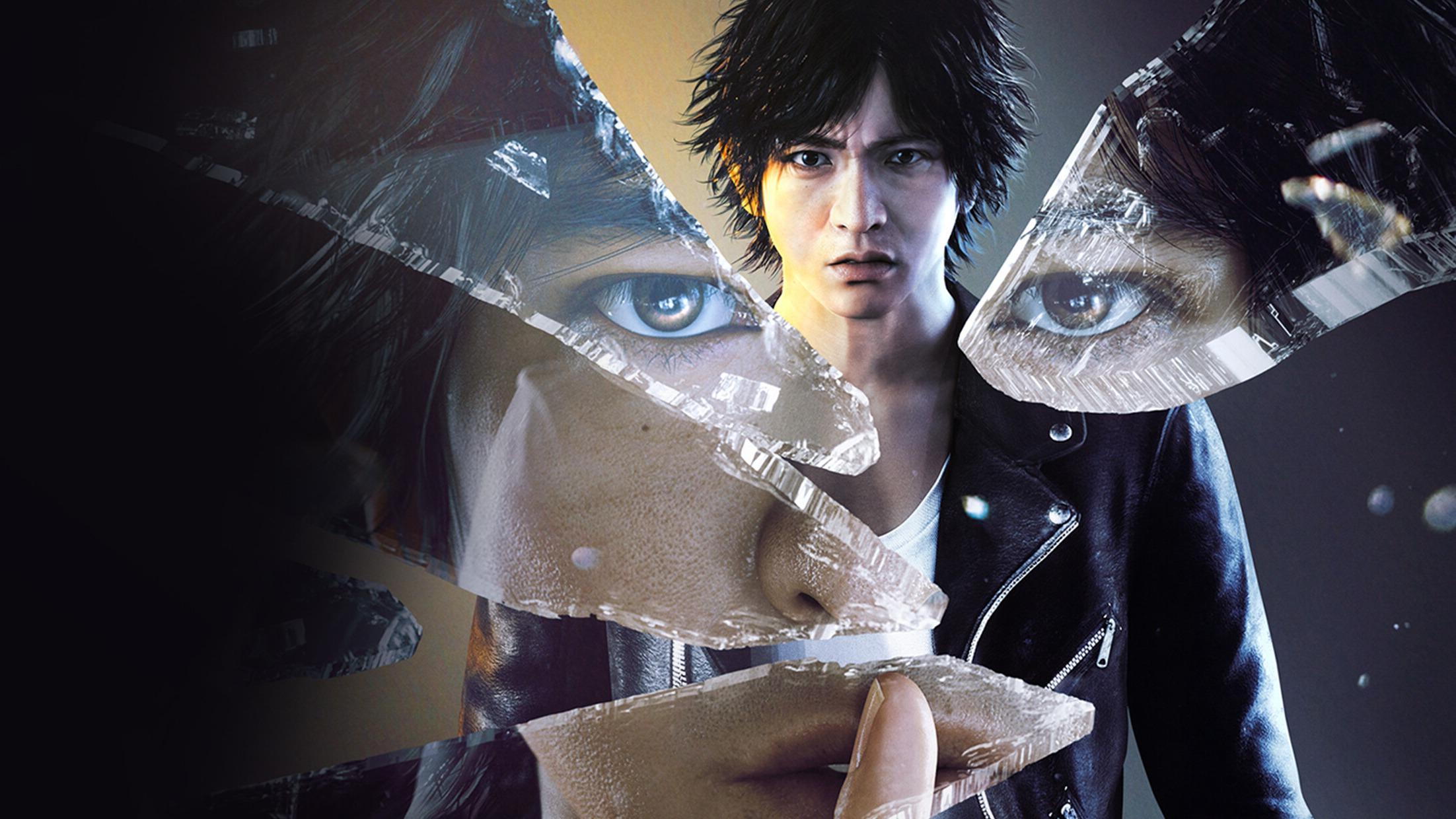
▶ TL;DRJudgment tells the most focused story RGG Studio has put out, and the case and the cast carry it past a middle stretch padded with tailing missions. The detective systems never live up to the premise. Start here, and play it before Lost Judgment.
Judgment is a Yakuza game in everything but the name on the box. Same studio and same Kamurocho, down to the street punks who want a fight because you walked past them. What changes is the man doing the walking. Takayuki Yagami used to be a defence lawyer. He won an acquittal in a murder trial, which almost never happens in Japan, and shortly after, the client he freed was arrested for killing his girlfriend. Yagami quit the law and now works as a private investigator, taking jobs from his old firm and anyone else who pays.
RGG Studio released it in Japan in December 2018 and worldwide in June 2019, remastered it for PS5 and Xbox Series X|S in 2021 and brought it to Steam in 2022, where it sells for A$54.95. It has aged well, mostly because the case at its centre is the best-written story I have played from this studio.
A case that never loses the thread
Someone in Kamurocho is killing yakuza and cutting out their eyes, and Yagami gets pulled into it through his old law firm. From there the story pulls on that one thread for the whole main campaign without dropping it. The mainline Yakuza games wander off into real estate empires and cabaret clubs between plot beats, which I love them for. Judgment treats its mystery like a legal brief and keeps building the argument, chapter after chapter.
Without spoiling anything, the case runs well past gang politics into medical research and the kind of institutional rot a lawyer is well placed to notice. Yagami thinks like a defence attorney, so the question hanging over every scene is what can be proven. Most of the drama is about evidence, and about who is working to keep it out of his hands.
The tension lives in the gap between knowing who did it and being able to prove it.
+ PROS
- A murder mystery that stays on the case for the whole campaign
- Yagami and Kaito make a great double act in either language
- Crane and Tiger styles freshen up the RGG brawler
- The first full English dub in the Yakuza universe since the PS2 original
- Drone racing and a stack of playable SEGA arcade classics
− CONS
- Tailing missions are slow and restart you when you get spotted
- Investigations never punish a wrong answer
- Mortal Wounds turn late boss fights into a medkit tax
- Detective gadgets appear on cue and then vanish
- The Dice & Cube VR board game is a chore
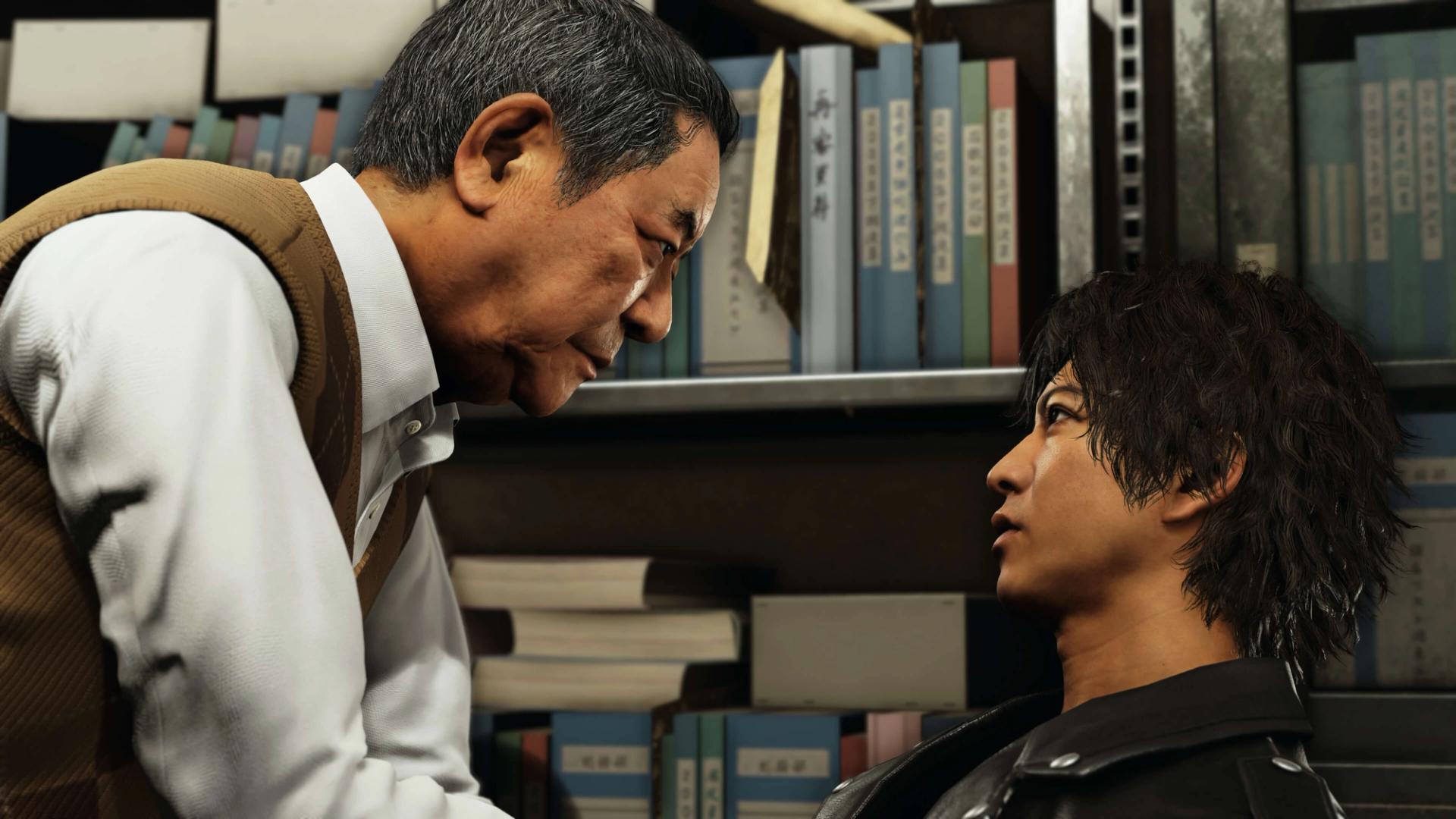
Yagami and Kaito carry it
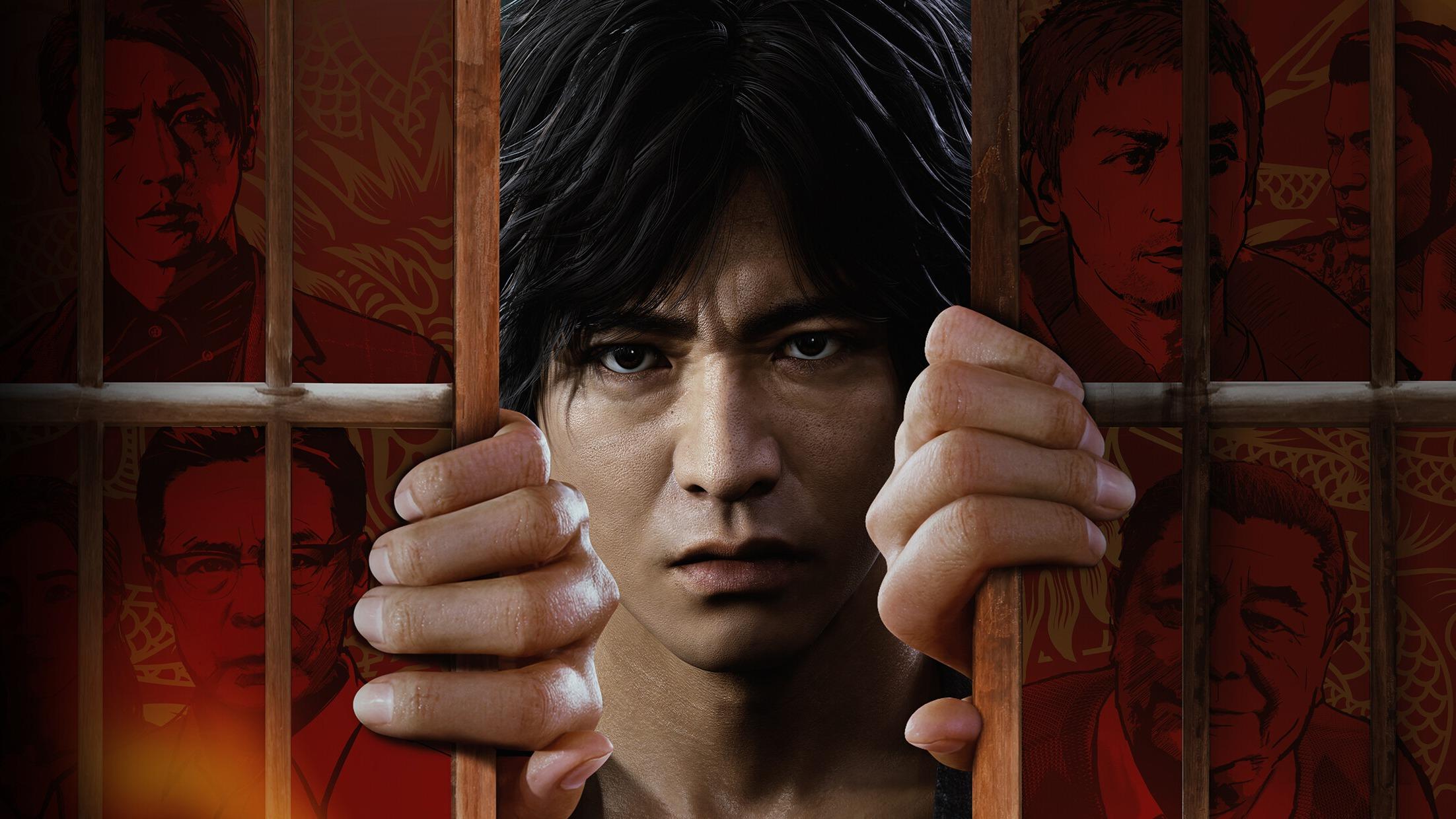
Yagami is a better lead than he has any right to be. Takuya Kimura, one of Japan's biggest stars, gives him a cocky, tired charm on the Japanese track, and Greg Chun matches it in English. Judgment was the first game set in the Yakuza universe to get a full English dub since the original on PS2, and the dub is good enough that I would recommend either language.
Masaharu Kaito is the other half of the agency, a former yakuza who solves problems with his shoulders first and his head second. Crispin Freeman plays him as a big, warm lump with more going on underneath, and his back-and-forth with Yagami is the glue between the heavy scenes. The villain, once the game shows its hand, is one of the best RGG has written, and I will leave it there.
Crane, Tiger and a doctor's bill
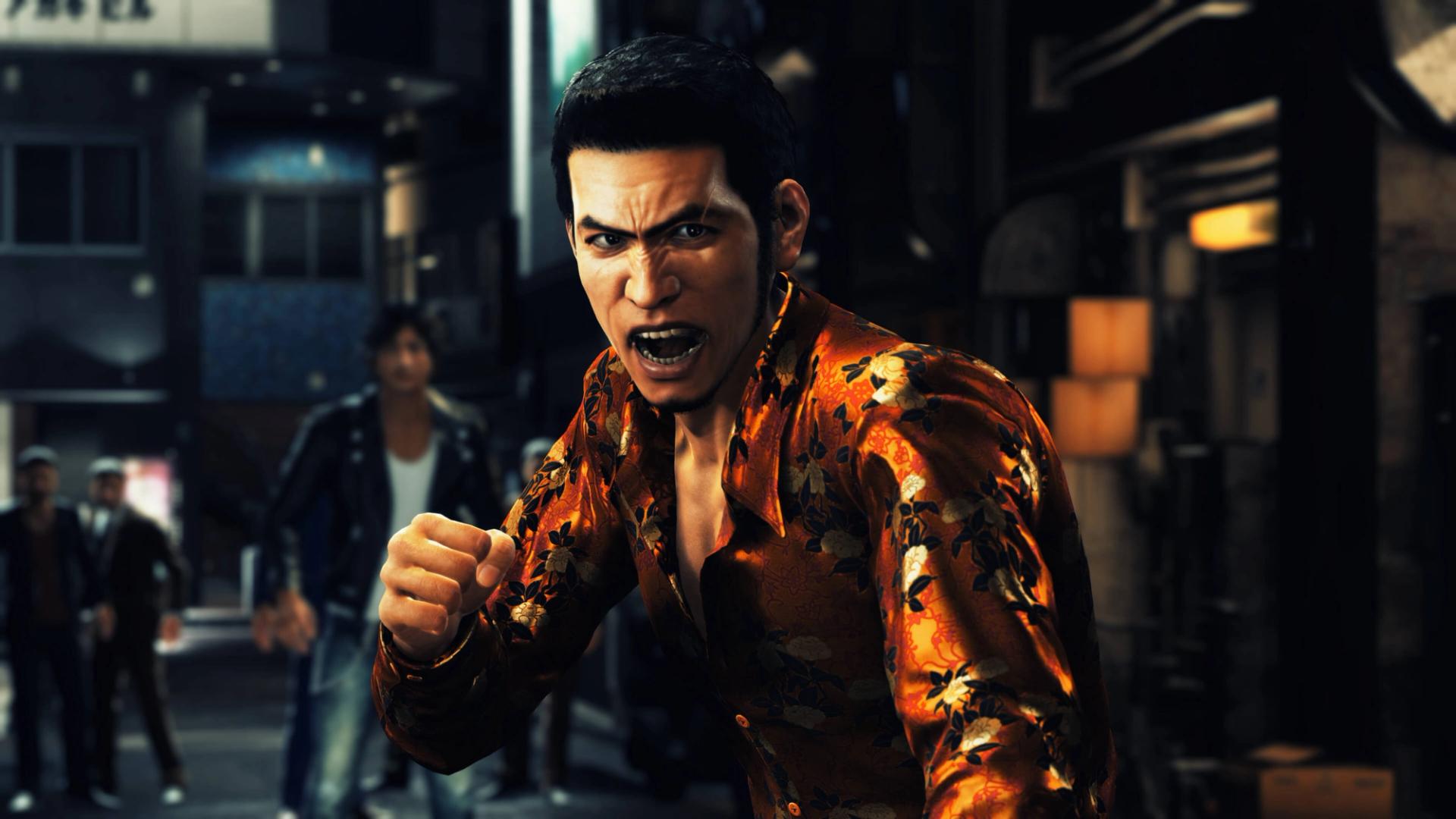
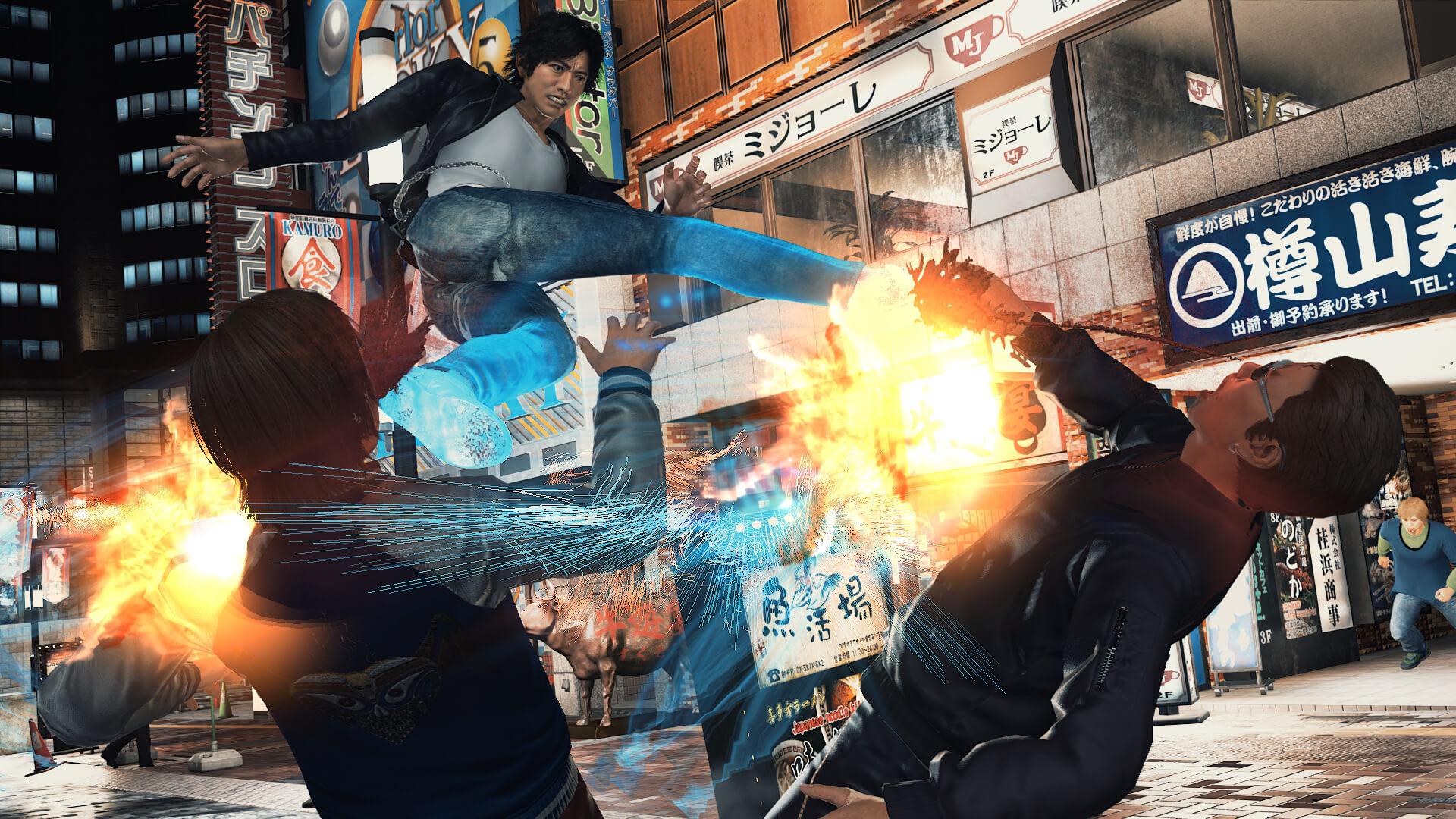
The fighting is RGG's usual brawler with two stances. Crane is built for crowds, with sweeping kicks and wall jumps that bounce Yagami off shopfronts and back into the group. Tiger is for one opponent at a time, slower and heavier. Swapping mid-fight takes a button press, and the EX Actions, the contextual finishers that slam a thug into a bike or a vending machine, are as gleefully excessive as they have ever been.
Mortal Wounds are the new idea, and the one I would cut. Guns, blades and some heavy attacks shrink the health bar itself, and it stays shrunk until you pay an underground doctor or burn an expensive medkit. On paper it makes armed enemies scary. In practice it turns the long boss fights in the back half into a tax, and I ended up hoarding medkits the way I used to hoard Staminan in the old games.
The detective work never catches up
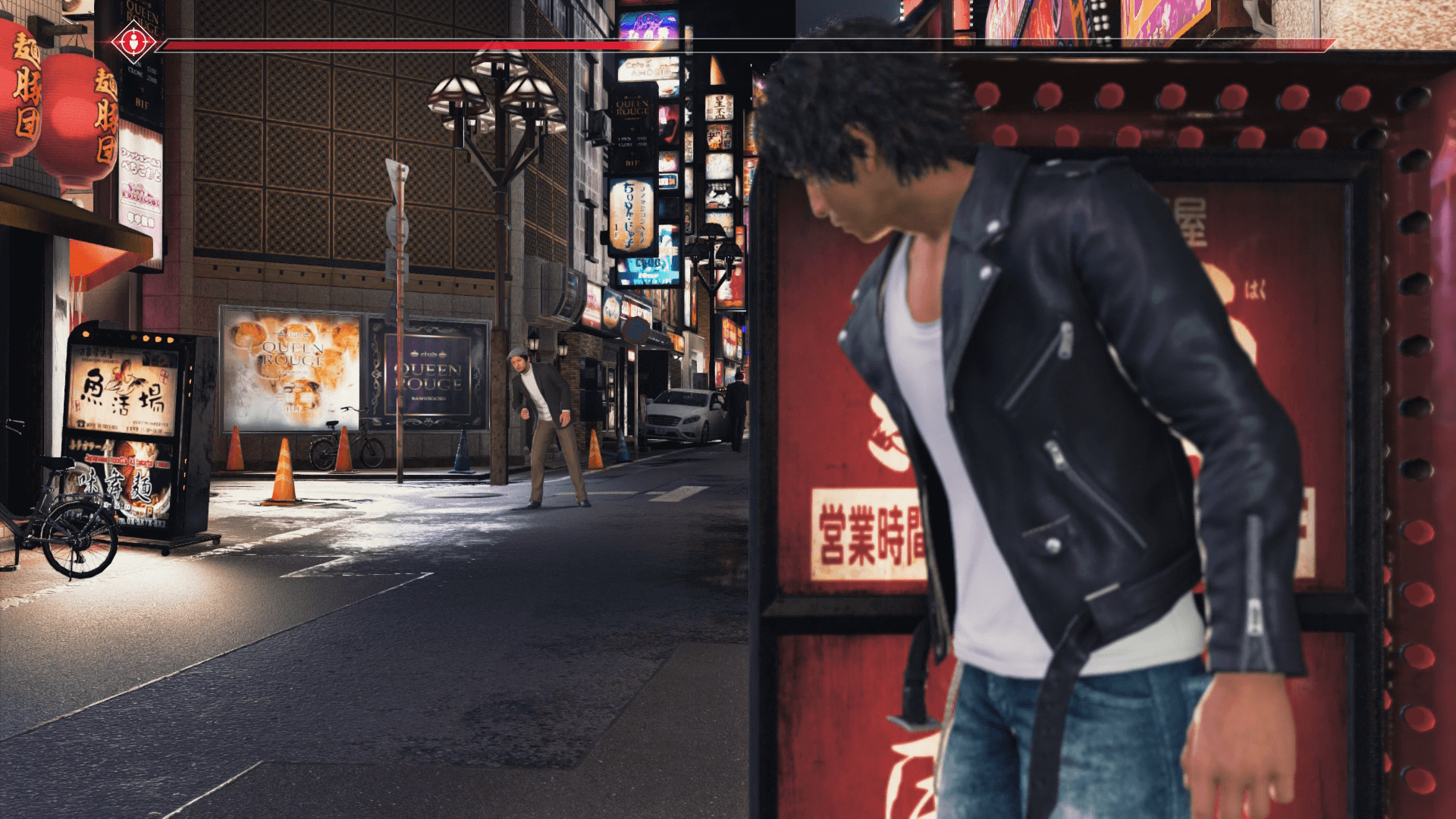
For a game about a detective, the detective work is the weakest part. Tailing missions are the worst of it. You follow a mark down the street, duck behind a sign when he turns around and hope he does not notice you. There are a lot of them, they run long, and getting spotted sends you back to the start. Chases are a sprint broken up by button prompts.
Investigations work better. Yagami drops into a first-person view to search a scene, then presents what he found in conversation. The trouble is that a wrong answer costs you nothing beyond a missed bonus, so you can cycle through every option until one sticks. Lockpicking, disguises and the drone show up when the story asks for them and then mostly disappear. For a legal thriller, it never once lets you lose a case.
Kamurocho, packed as ever
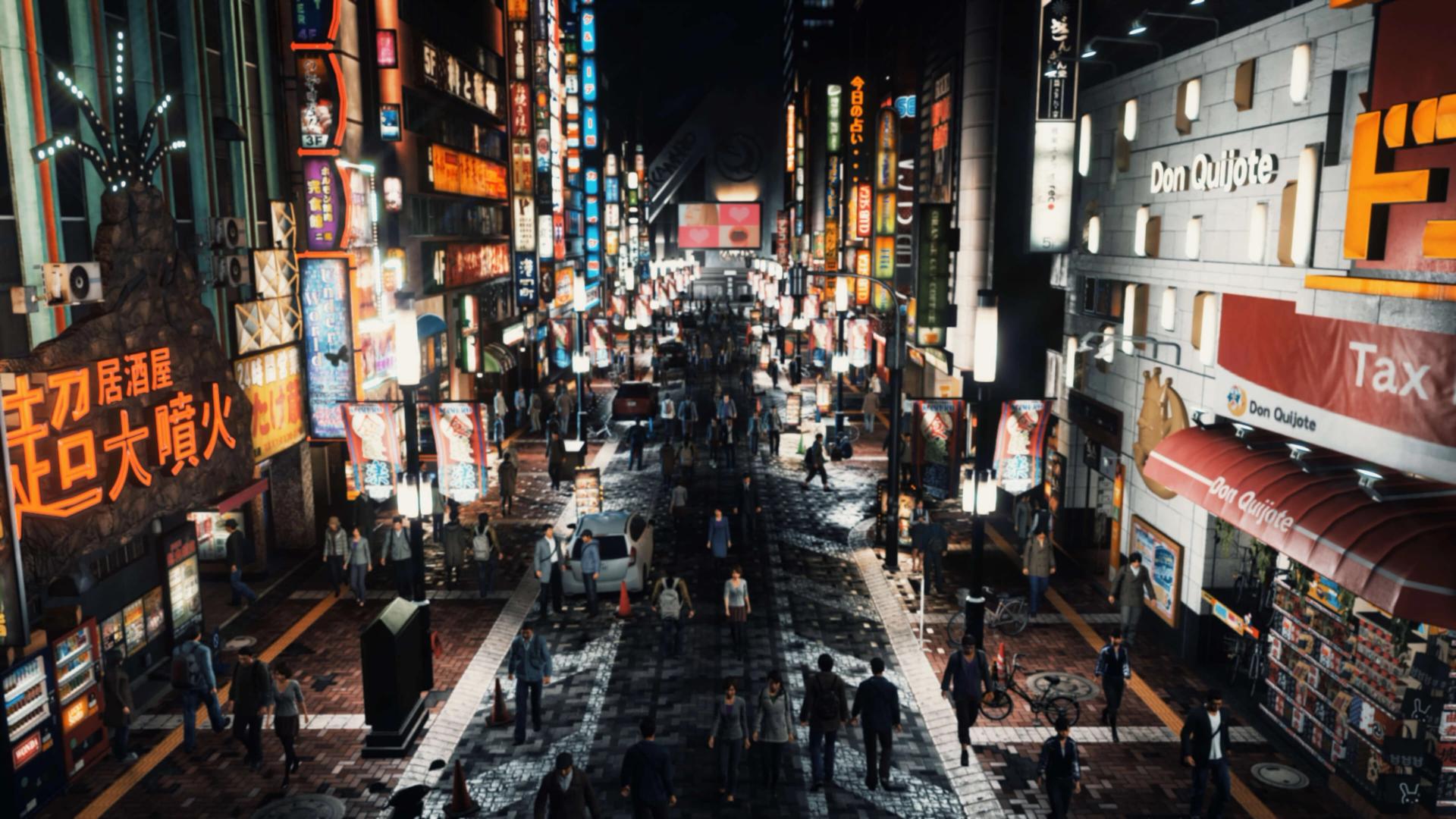
Outside the case, this is Kamurocho doing what it does. Side cases swing between touching and absurd, and a friendship system rewards you for getting to know the neighbourhood's regulars. Drone racing has its own parts to collect and races to win. There is a VR board game called Dice & Cube that I would happily never play again. The arcades carry Fighting Vipers, Virtua Fighter 5: Final Showdown, Puyo Puyo and Motor Raid, among others.
The remaster runs at 60fps on PS5 and Xbox Series X|S, with short loads. My one complaint is the map. Kamurocho has appeared in almost every game this studio has made, so anyone coming from the series will know every alley, and Judgment does little to surprise you with it.
Watch the trailer
Verdict
Judgment tells the most focused story RGG Studio has put out, wrapped in systems that are thinner than the story deserves. The case and the cast carry it past a middle stretch padded with tailing missions and toothless investigations, and the fighting keeps the padding bearable. If you have never played anything from this studio, start here. If you have played everything else, do not skip this one.
PLAYER COMMENTS
LOADING...