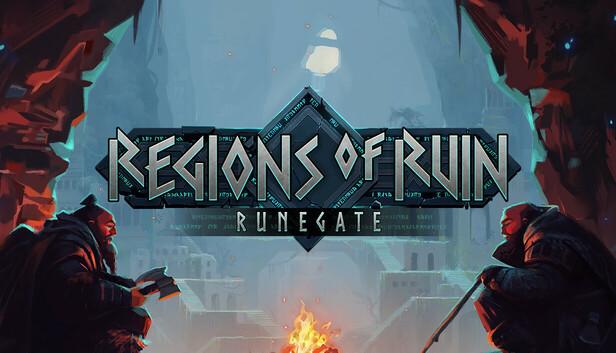
▶ TL;DRRunegate takes the scrappy 2018 original and rebuilds it the way its dwarves rebuild their town: bigger, sturdier and easier to love. The combat never quite matches the rest of the package, but the explore-rescue-rebuild loop carried me happily through twenty hours. For 25 bucks with a free demo, go play the thing.
I have a soft spot for games that understand the fantasy of rebuilding. Not ruling, not conquering: rebuilding. Regions of Ruin: Runegate, from Melbourne's own Gameclaw Studio and publisher Raw Fury, is that fantasy in side-scrolling pixel form, and it quietly ate a string of my evenings. I went in expecting a modest sequel to a scrappy 2018 indie. I came out twenty hours later with a thriving dwarven town and strong opinions about crossbow builds.
A Dwarf, a Ruin and a Door Between Worlds
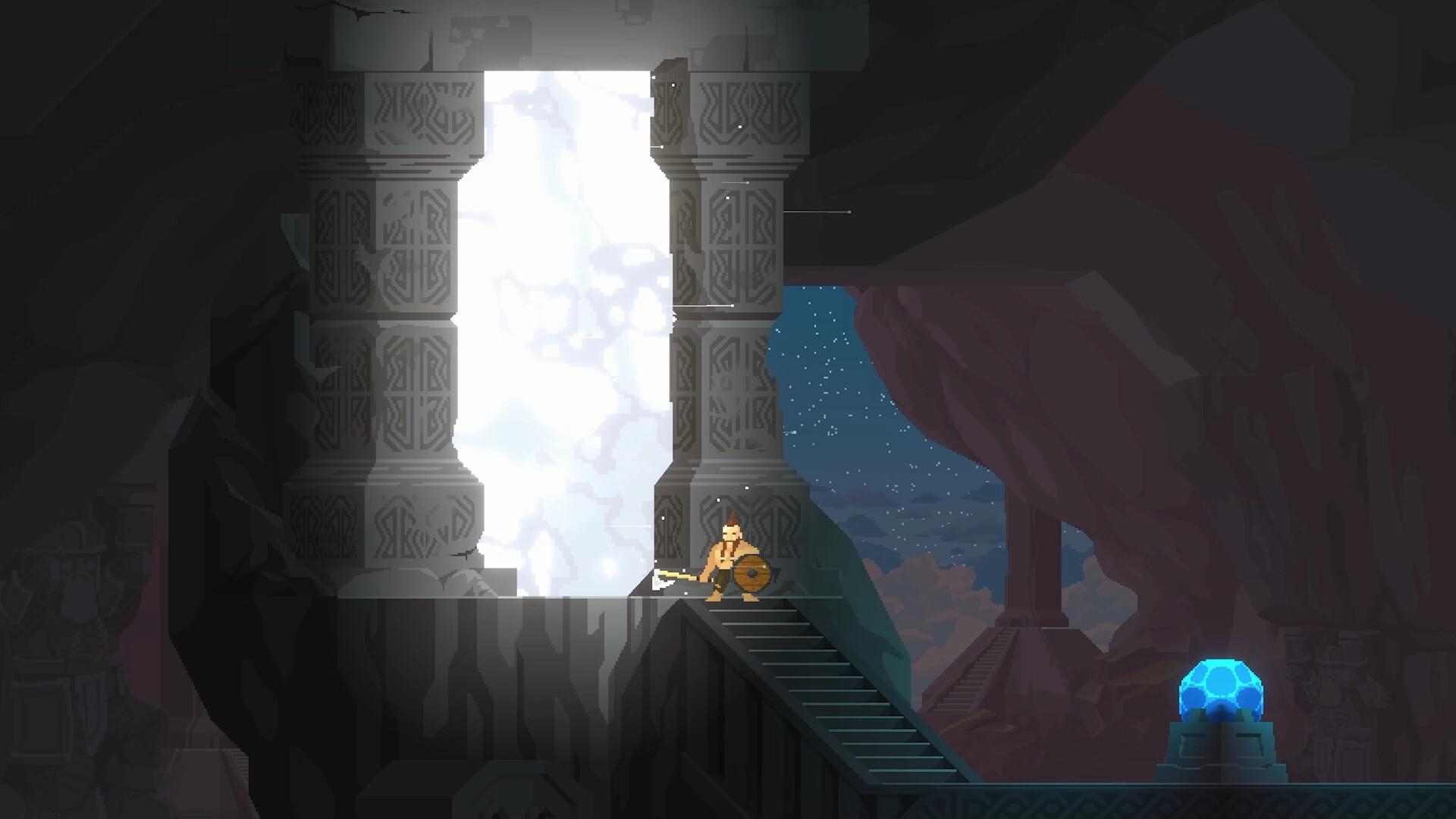
The setup is brutal and quick: a goblin ambush flattens your settlement, your kin are dragged off in chains, and you are left standing in the wreckage with an axe and a grudge. Salvation comes through the runegates, ancient dwarven portals connecting parallel worlds. Each expedition through a gate takes you into new regions to explore, kin to rescue and resources to haul home, and the mystery of who built the gates and why they were sealed gives the wandering a proper spine. It is a cleaner, better-told story than the original ever managed, with side stories tied to individual factions doing a lot of the character work.
+ PROS
- Gorgeous, lovingly detailed pixel art
- The rescue-a-dwarf settlement loop is compulsive
- Real weapon variety backed by deep skill trees
- Aussie-made, with a free demo on Steam
− CONS
- Melee targeting feels imprecise
- Combat gets repetitive in the back half
- Main story is over quickly if you rush it
- Occasional frame dips in crowded fights
Fight Like You Mean It
Combat is directional hack-and-slash: light and heavy attacks, blocking, dashing, and facing that matters. The weapon variety genuinely changes how you play. I ran most of the game as a shield-wall bruiser, respecced into a crossbow build for a stretch, and flirted with a two-hander bleed-stacking tree that turns bosses into ticking clocks. The skill trees are deep enough to support all of it, which is more than I expected at this price.
It is also where the jank lives. Melee targeting wants you to aim with the cursor when the movement keys already say everything about your intent, so whiffs happen that feel like the game's fault rather than mine. By the back half the encounter design leans on repetition, and busy fights occasionally drop frames hard enough to notice. None of it killed my enjoyment. All of it kept the combat a step behind the rest of the package.
The Town Is the Point
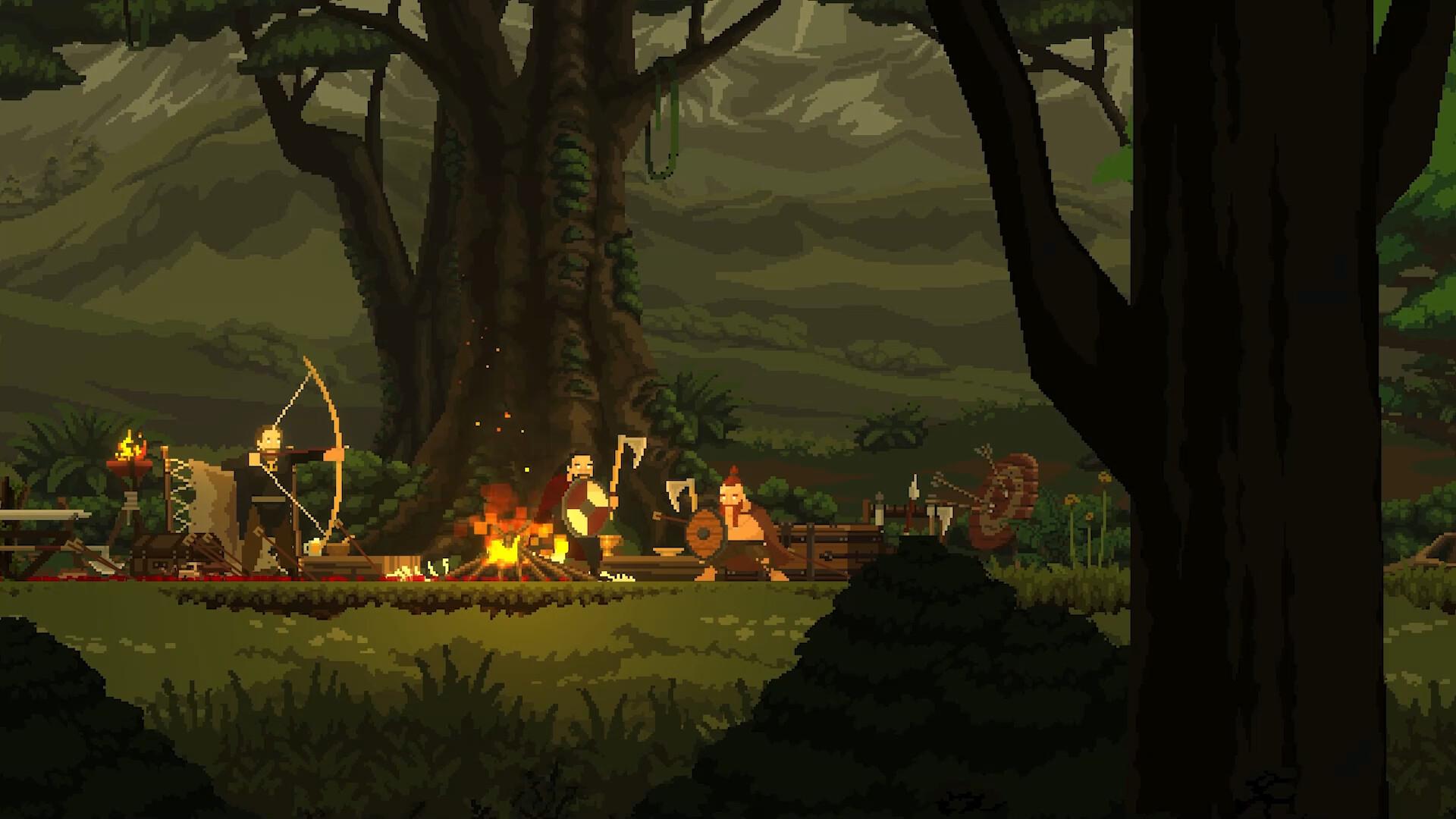
Here is the loop that got its hooks in me. Every dwarf you rescue walks home and becomes part of the town: workers who passively generate resources, a blacksmith who unlocks enchanting, storehouses, refineries, a fishing spot on the water. You do not place buildings by hand; you spend resources on upgrades and watch the place grow. Purists might want more granular control, but the streamlining means the town never becomes admin. It just keeps paying you back for going out and doing the dangerous thing.
Every rescued dwarf makes the town stronger, so every expedition matters.
Pretty as a Postcard
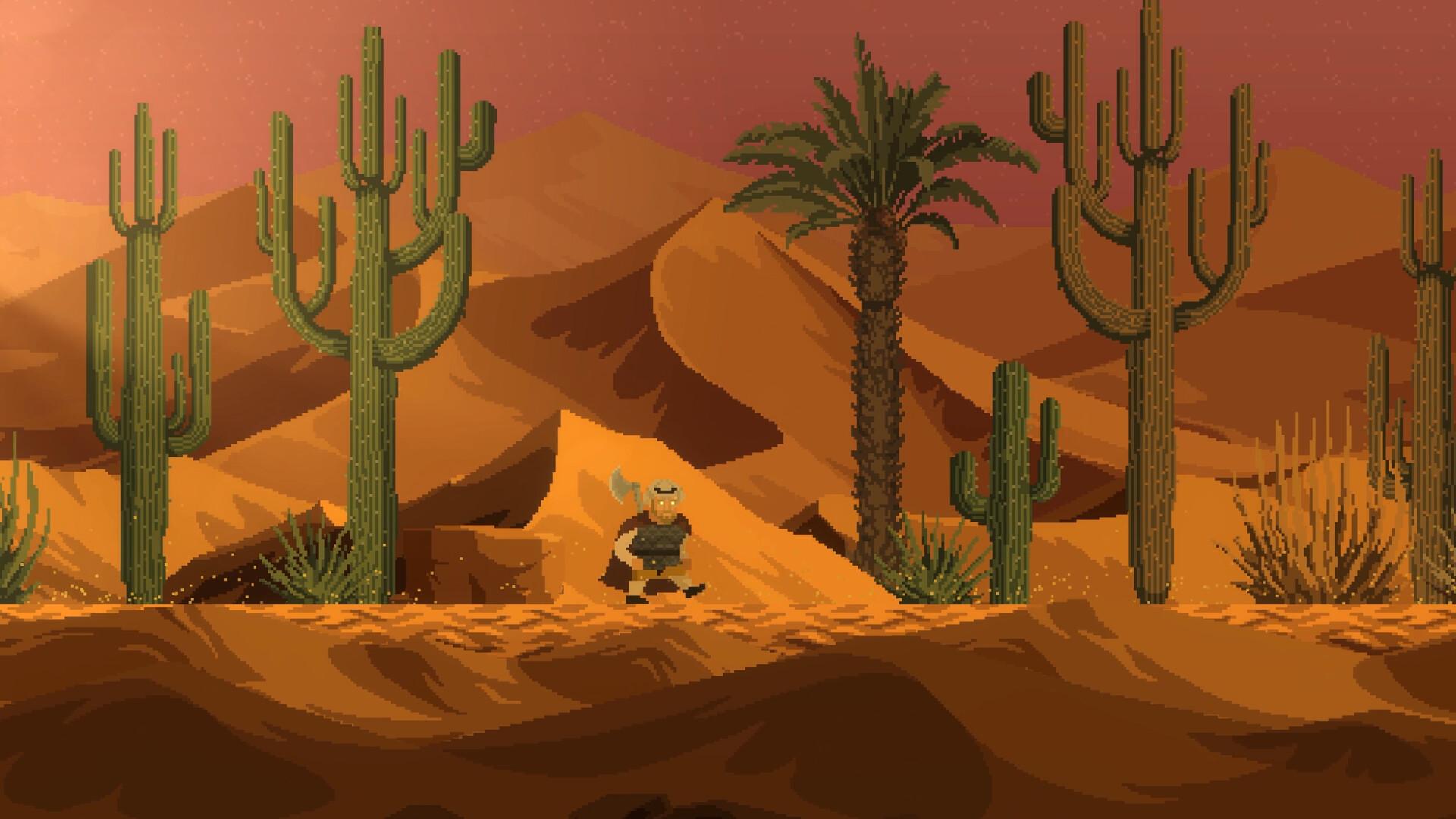
This is one of the prettiest pixel-art games of 2026, full stop. Runegate's worlds run from starlit dwarven ruins to sun-bleached deserts full of saguaros, all drawn with the kind of lighting that makes you stop walking just to look. Some environments repeat their furniture across regions, which dulls the wonder slightly by the end, but the art carries even the flatter stretches. The main story itself is brisk, around five focused hours if you rush, though rushing misses the point: the side content is where the game lives, and it pushed my save past twenty hours.
Verdict
Runegate is what a good sequel looks like at indie scale: keep the soul, rebuild everything around it. The combat needed one more pass and the story could stand to linger longer, but the explore-rescue-rebuild loop is compulsive, the art is stunning, and at A$24.99 with a free demo on Steam there is no excuse not to try it. 8 out of 10, and a quiet cheer for a Melbourne studio punching well above its weight.

PLAYER COMMENTS
LOADING...