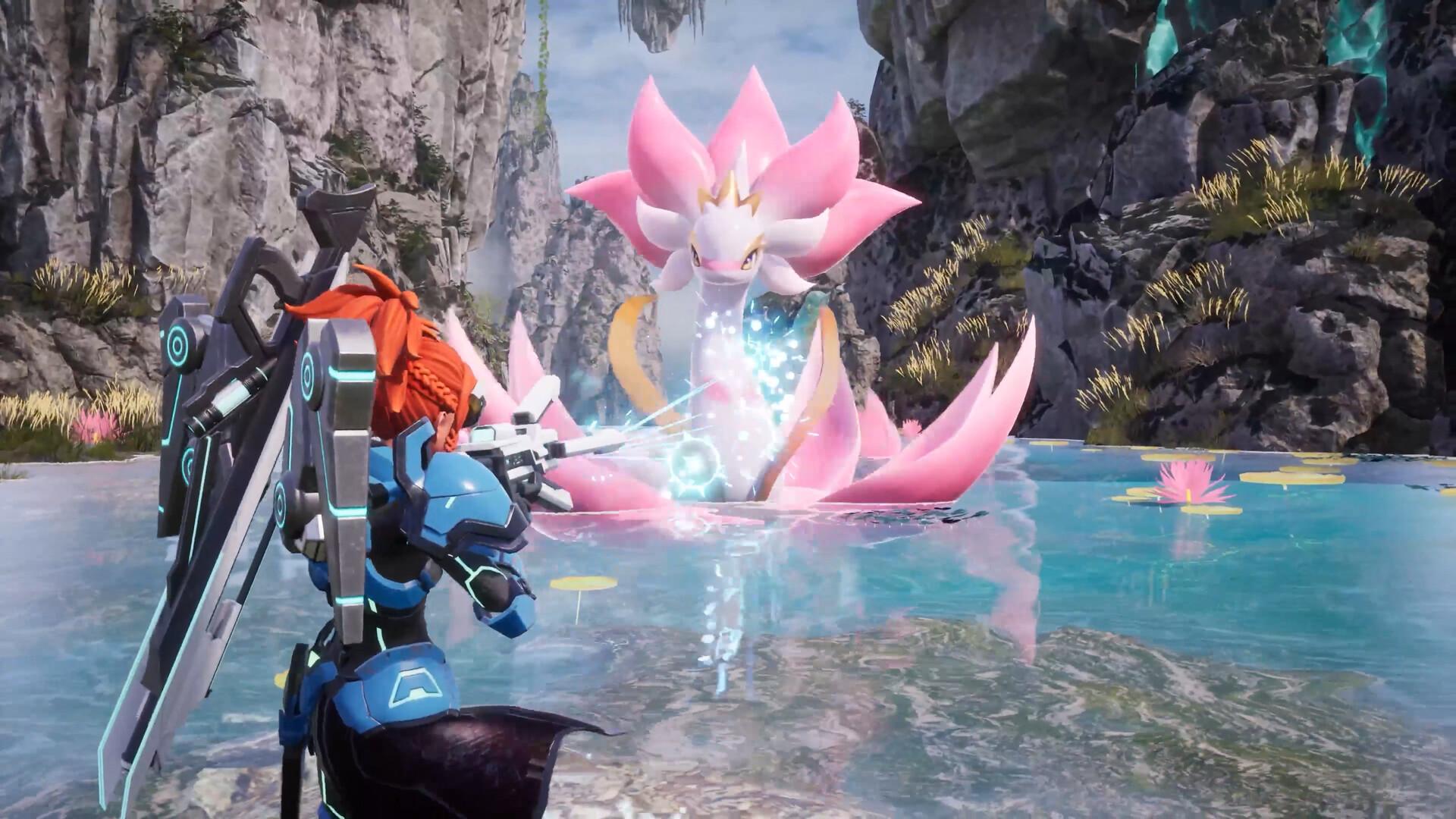
Japan's Patent Office has knocked back another of Nintendo's monster-catching patents, and this time the prior art doing the damage is a Pokemon fan game from 2013.
What the JPO rejected
The application, filed in early 2026, covered a touchscreen version of the throw-an-item-to-catch-a-creature mechanic that sits at the heart of Pokemon and, by Nintendo's own logic, of Palworld too. The examiner ruled it lacked an inventive step: a skilled developer could have combined familiar touchscreen controls with well-worn capture mechanics without any real spark of invention. As GamesRadar reported, the refusal arrived in mid-July with unusually pointed language for a patent notice.
Among the prior art the examiner leaned on was a June 2013 YouTube clip of a fan-made 3D Pokemon prototype, sitting alongside footage from ARK Mobile, PUBG Mobile and official Pokemon X and Y material. Nintendo argued the fan video should not count, because the project itself infringed Pokemon copyright. The examiner was unmoved: an allegedly infringing clip still shows what it shows, and what it showed was that the mechanic was not new.
You saved the entire industry.
That was one fan's widely shared reaction to seeing a hobby project cited against a Nintendo patent: half a joke, half genuine relief that creative freedom had won a round.

The Palworld context, carefully
This is where precision matters. The rejected application is not one of the patents Nintendo is actively enforcing against Palworld studio Pocketpair in the Tokyo District Court. It belongs to the same patent family, and an earlier sibling application was rejected in October 2025 over prior art including ARK, Craftopia, Monster Hunter 4 and Pokemon GO. A patent office declining to grant a related patent is not a judge ruling on the lawsuit.
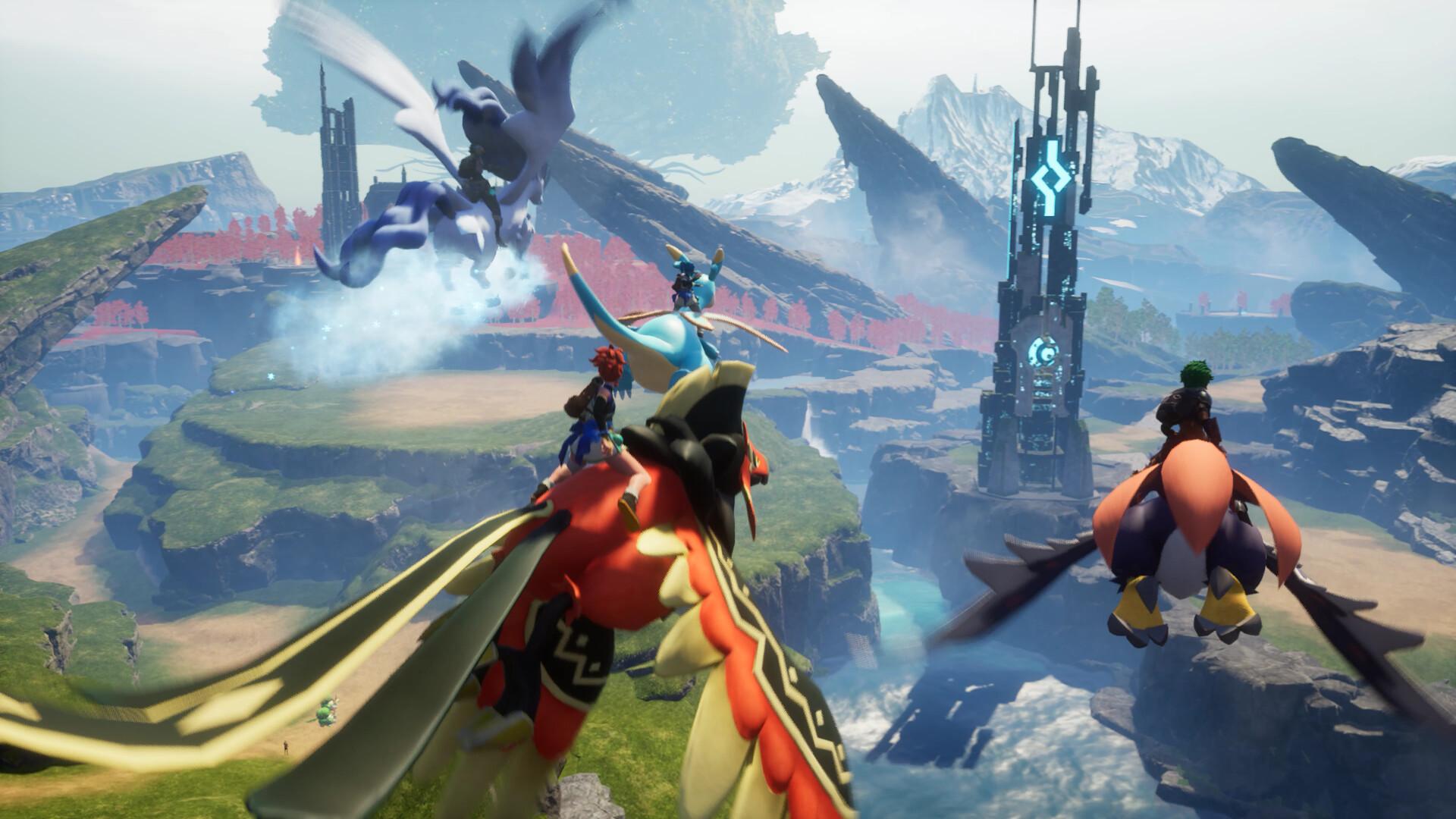
It does, though, keep chipping at the premise underneath Nintendo's whole case: that these capture mechanics were ever novel enough for one company to own.
Our take
Both rejections are non-final, so Nintendo can amend the claims or appeal, and it almost certainly will. But the pattern is getting hard to ignore. When an independent examiner actually goes looking, prior art for catching monsters turns out to be everywhere, including a hobby project someone posted for fun more than a decade ago. That is exactly the argument indie developers have been making about patent overreach, now effectively underlined by Japan's own patent office. The thing to watch is whether the Tokyo court is taking notes.


PLAYER COMMENTS
LOADING...