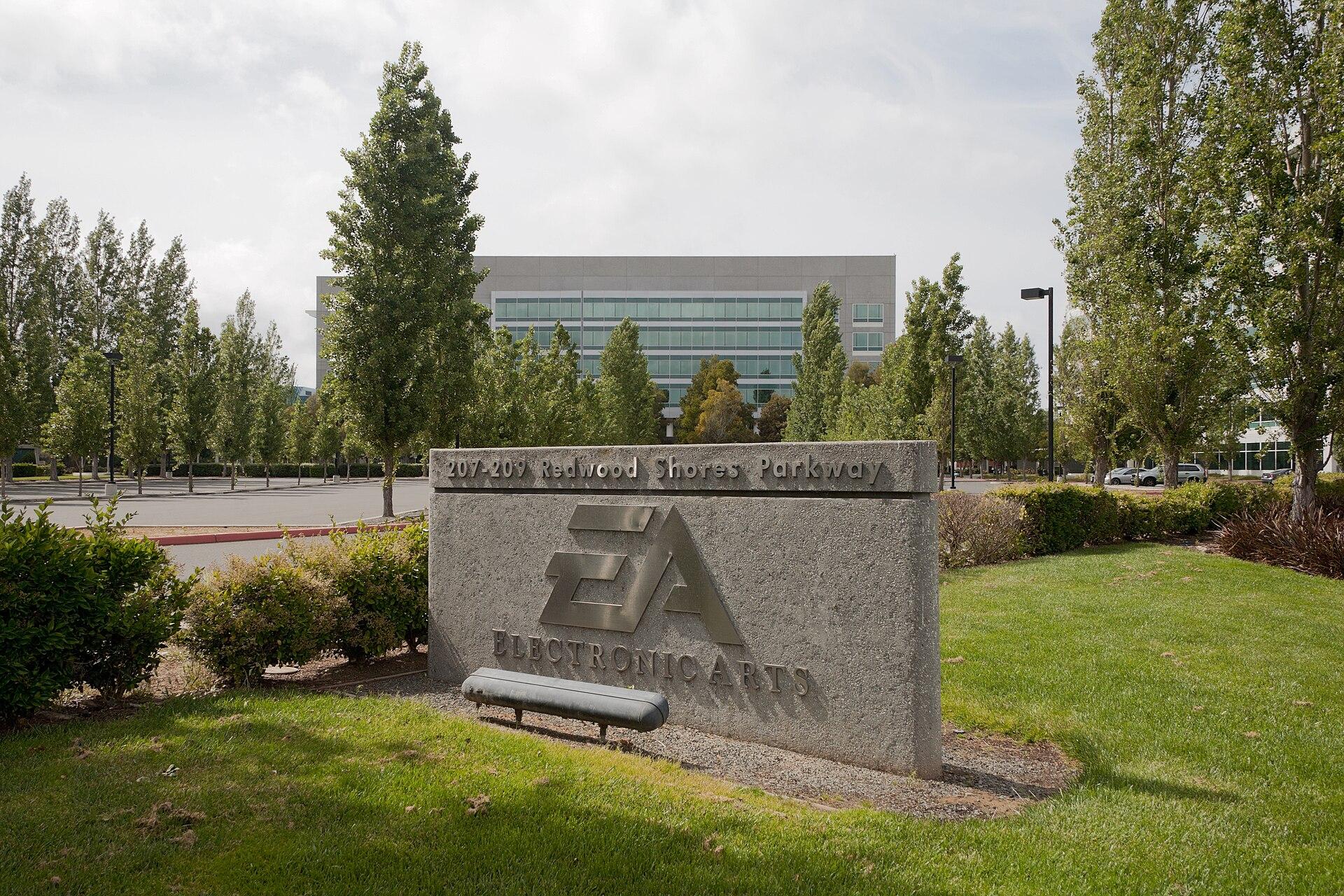
Electronic Arts has told investors that the $55 billion sale turning it into a privately held company will complete next Tuesday, handing the publisher to a consortium of Saudi Arabia’s Public Investment Fund, Silver Lake and Affinity Partners.
What EA Filed
In a filing dated 30 July, EA said that all regulatory approvals needed to complete the merger had been obtained, and that it expects the deal to close at the end of trading on 4 August. As Kotaku reported, Andrew Wilson stays on as chief executive and the company stays headquartered in California.
As of July 30, 2026, all regulatory approvals required to complete the Merger have been obtained.
The Debt Is the Real Story
The purchase price is the headline. The number that will actually shape what EA makes next is the borrowing. PC Gamer describes the transaction as the largest leveraged buyout in private equity history, and reports EA comes out of it carrying around $20 billion in debt. The mechanic of a leveraged buyout is that the acquired company services that debt, not the buyers. Interest has to come from somewhere, and at a games publisher it usually comes from headcount and from anything that cannot show a return quickly.
Our Take
Going private also ends the quarterly disclosure that let outsiders see how EA was actually performing. That matters more than it sounds. The layoffs that hit Apex Legends, Battlefield 6 and Skate were legible partly because a listed company has to keep reporting. From next week the only numbers anyone outside the building sees are the ones EA volunteers.
None of that means the roof caves in on 5 August. It means the useful window closes, and the first year is the one worth watching. Mark Darrah’s line about EA being a hedge fund with a video game hobby was said before the sale completed. It is about to get a proper stress test.


PLAYER COMMENTS
LOADING...