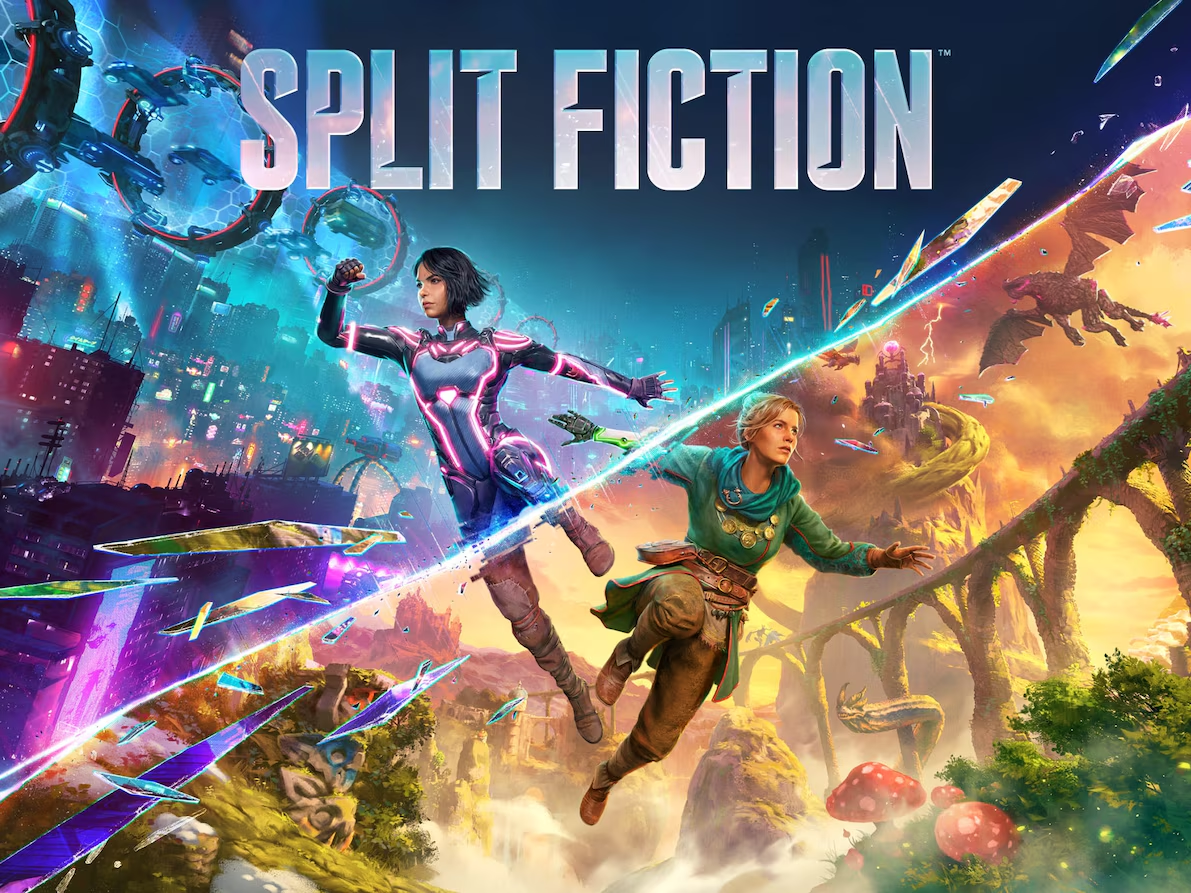
▶ TL;DRSplit Fiction feels both familiar and fresh. Another Hazelight adventure with its own personality. While I personally connected more with It Takes Two (that couple’s love story hit a little deeper), Split Fiction still delivers an imaginative, diverse, and beautifully crafted experience. If you haven’t played either, start with It Takes Two. But if you loved it, Split Fiction is absolutely worth your time. Another heartfelt, creative co-op journey that keeps you laughing, struggling, and celebrating together.
How It All Started
After It Takes Two, I was so excited for Hazelight’s next game, Split Fiction. When it launched, I immediately used it as an excuse to buy a PS5 - “It’s for this game,” I told myself (and my partner).
The Story – When Two Writers Enter a Publishing Trap
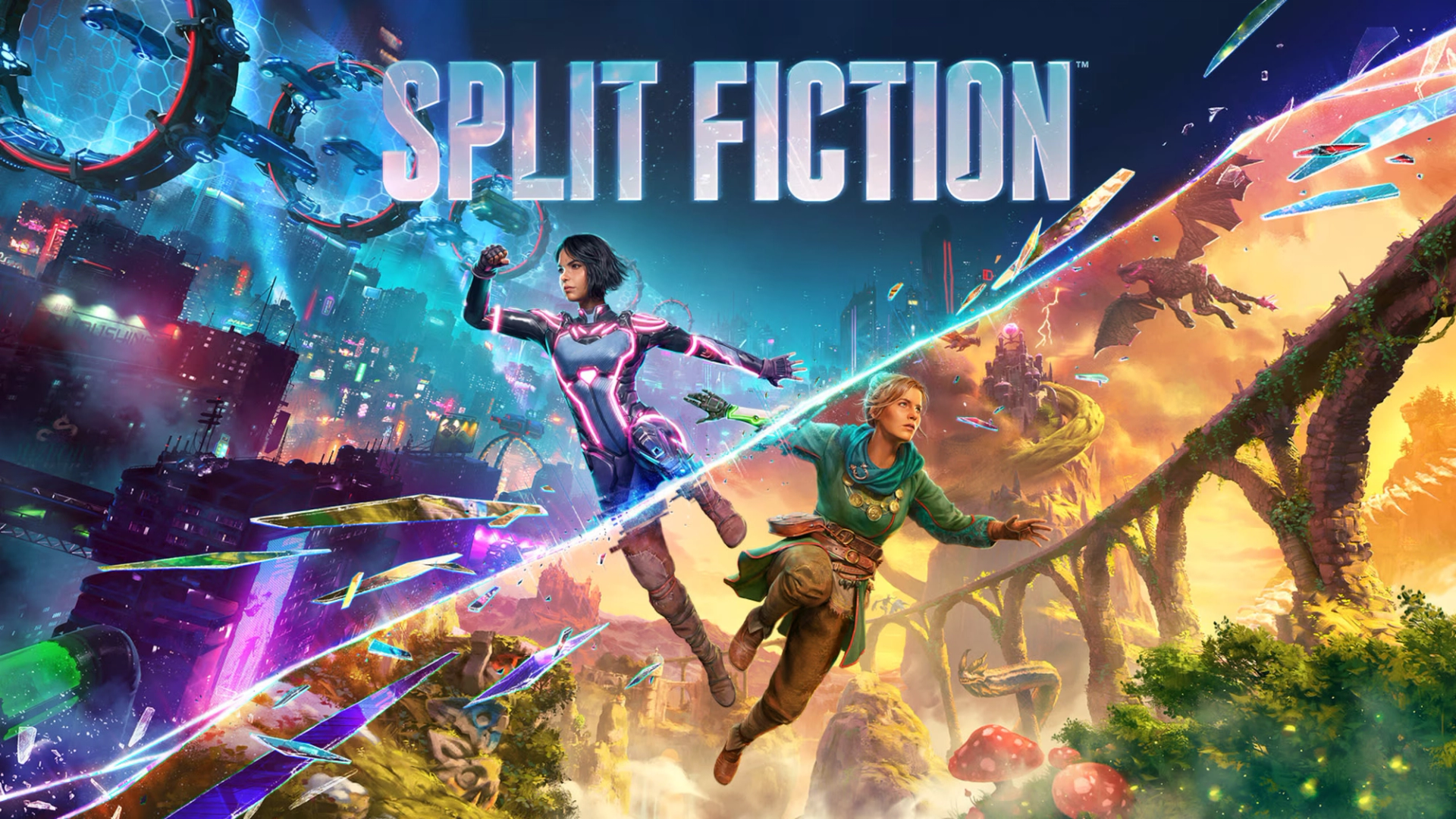
The story begins with two writers, Mio and Zoe, who both arrive at a publishing company hoping to sign book deals. But the company has darker plans: they want to steal their ideas. Things take a bizarre turn when Mio and Zoe are accidentally pulled into a mysterious machine, and suddenly, their two completely different stories begin to merge.
Now they must navigate through each other's world, exploring Mio's sci-fi imagination and Zoe's fantasy dreamlands. From neon cities to enchanted forests, from robots to dragons, they journey together to find a way back to reality.
Meet the Authors – Two Worlds in Contrast
Mio is a city girl raised by her father, scraping by as a writer. She loves everything about sci-fi, from futuristic cities and cold metal factories to outer space battles filled with motorbikes, lasers, and spaceships. She’s skeptical of the world and the people around her, including Zoe, and tends to build walls instead of bridges.
Zoe, on the other hand, is a cheerful country girl who just wants to prove she isn’t a failure. Her imagination blossoms in fantasy worlds filled with trolls, dragons, and beautiful forests. She’s friendly, optimistic, and wears her heart on her sleeve.
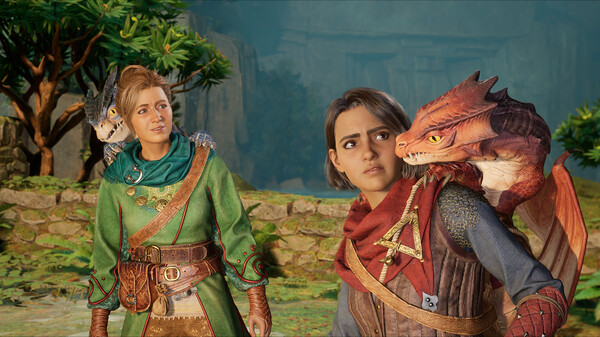
Together, their worlds collide — and that’s where the magic happens.
What I Loved – Visuals, Stories, and Surprise Worlds
The visual design is, once again, amazing. Every scene feels alive from glowing cyberpunk streets to soft fairy-tale forests. Personally, I prefer less “human-like” characters, so I missed the mini toy charm from It Takes Two. But visually, it’s still stunning.
+ PROS
- Stuning visuals and creative world design
- Unique blend of sci-fi and fantasy settings
- Fresh gameplay mechanics and story diversity
- Smooth pacing and clever co-op puzzles
- Fairly friendly to new gamer
− CONS
- You can’t play solo - still “takes two"
- Story feels slightly less emotional or connected
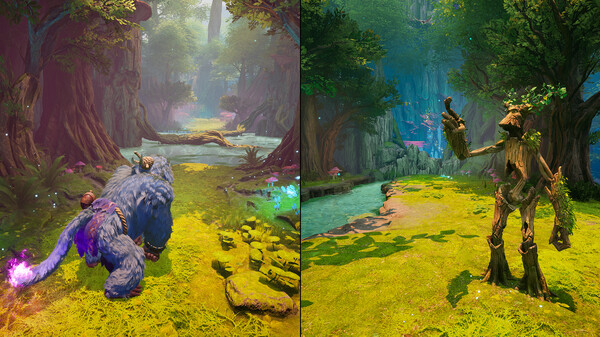
Maybe it’s because I’m not a big sci-fi fan, but I loved Zoe’s stories way more. They felt calm, magical, and cozy, while Mio’s worlds were fast-paced, full of action, explosions, and a fair bit of controller stress!
My favorite was “Hopes of Spring,” where you can transform into trees, gorillas, otters, and fairies. It’s such a peaceful, beautiful forest — sparkling lights and all. I also loved “Rise of the Dragon,” where you start with dragon eggs, then raise a baby dragon, and finally soar across the sky together.
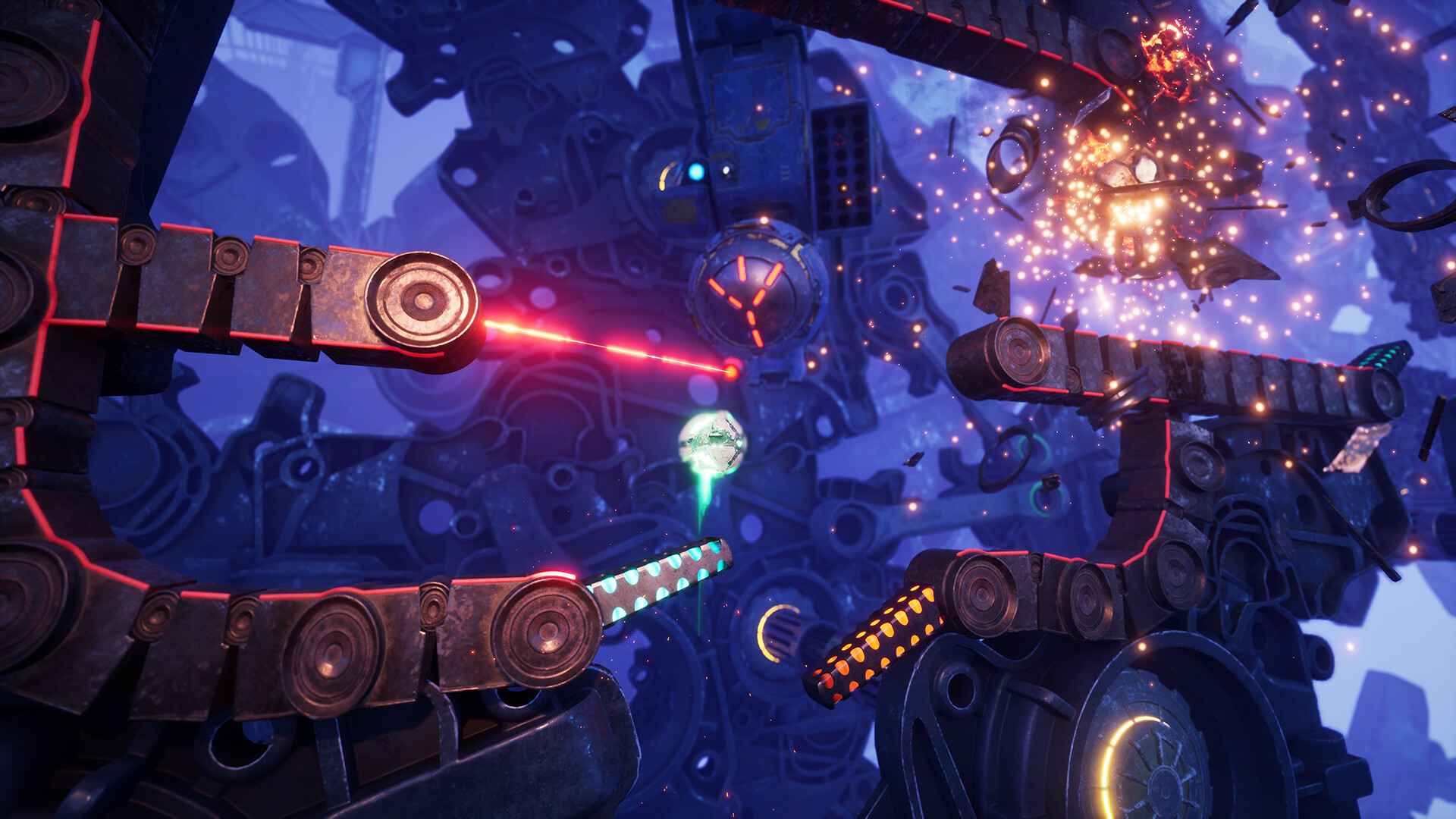
My partner had the complete opposite reaction. He loved Mio's stories and pointed out all the clever homages to classic movies, games, and shows hidden throuout the game.
Gameplay and Experience
Compared to It Takes Two, this game feels more polished and smooth. Maybe because I’ve gained some gaming experience since then (yes, I can now double jump without panicking!).
The game constantly shifts between genres, keeping everything fresh and surprising. While it doesn’t include any competitive mini-games as It Takes Two, it makes up for it with of creative story moments and unexpected mechanics. In fact, it feels more continuous and cohesive the kind of experience you don’t want to skip. (With It Takes Two, we sometimes passed on mini-games, but here, every side story felt worth exploring.)
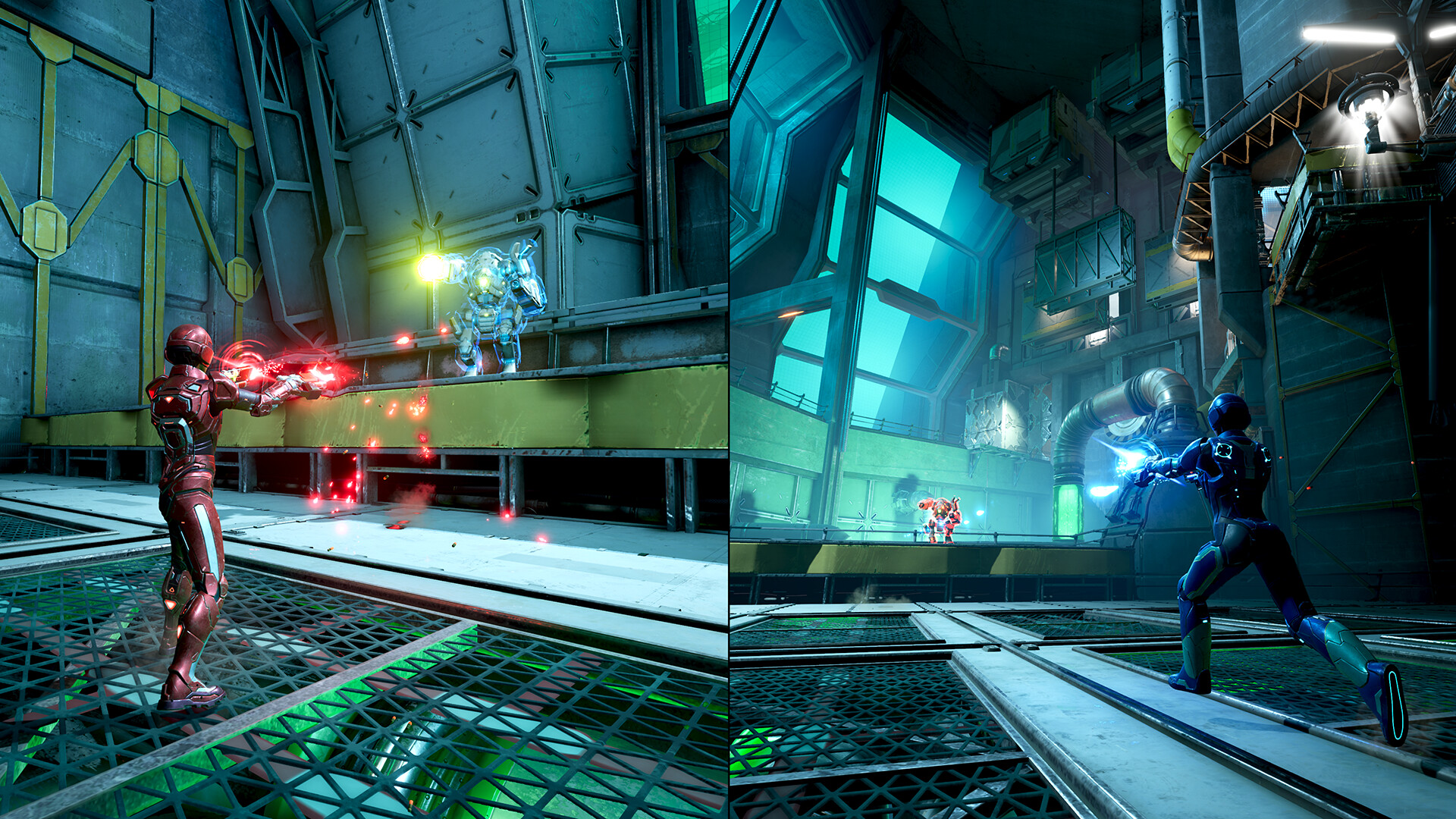
Some of my favorite parts were the “Notebook” level, bouncing around in the “Birthday Cake” mini-game, and the zero-gravity “Space Escape” each one unique and full of charm.
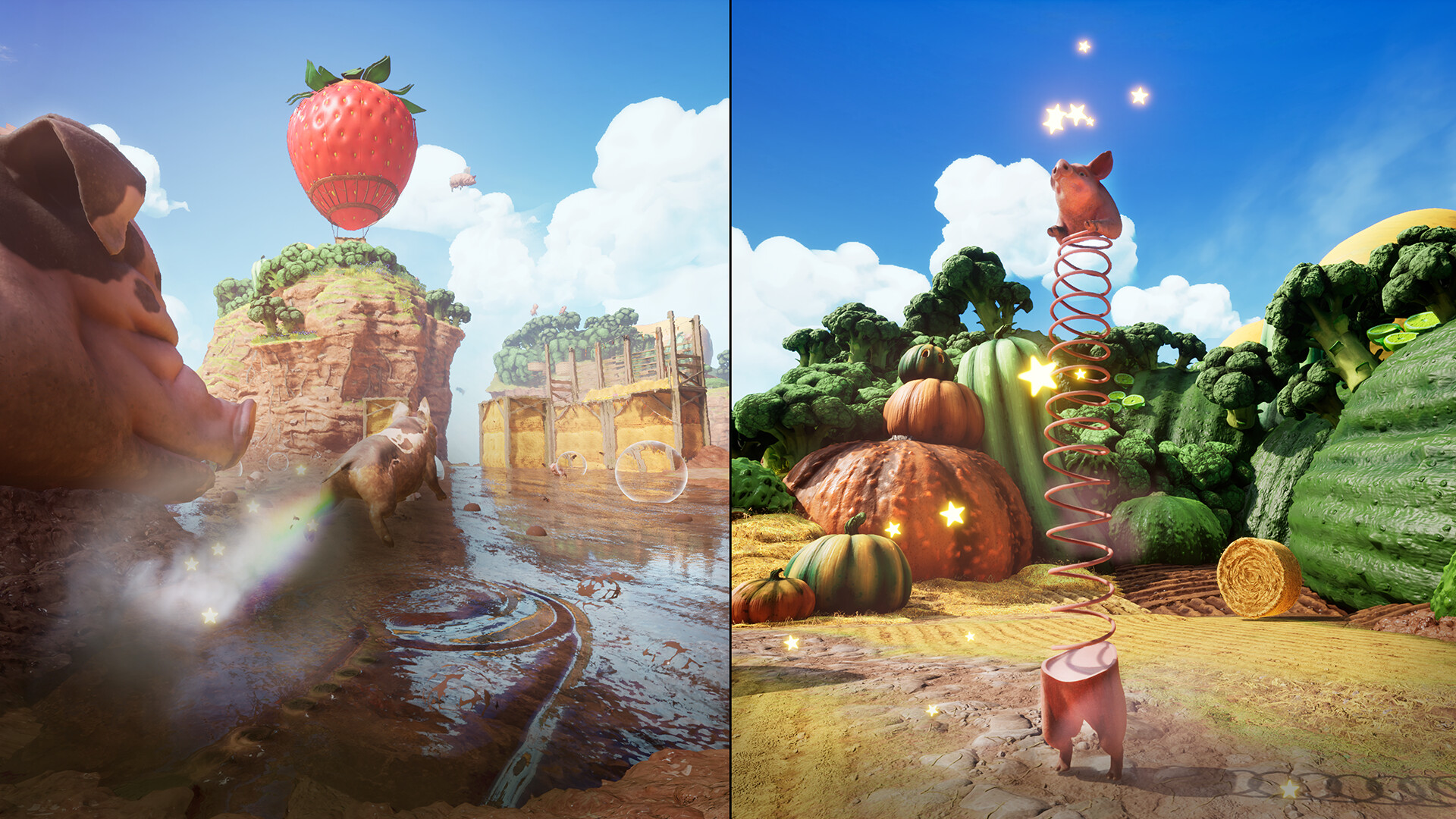
And that final chapter? Wow. When Mio and Zoe finally face the publishing company’s owner, the screen starts splitting in crazy ways (vertical, diagonal, horizontal) shrinking and spinning as each writer lives through their own version of the story. It’s chaotic, intense, and so cleverly done.
Of course, we had one “emotional safety pause” (again) when I couldn’t time a bomb ping-pong sequence correctly. 🥺 But after cooling off, we picked it up again and finished the game over the weekend.
Final Thoughts – A New Story Worth Playing
Split Fiction might not have the same emotional punch as It Takes Two, but it shines in its own way - with bigger worlds, smoother mechanics, and stunning variety. It’s a perfect pick if you’re looking for a shared adventure that balances fun and challenge.
For me, it was a good reminder that gaming isn’t just about pressing buttons. It’s about those moments of teamwork, friendly frustration, and laughter that make it worth playing together.
PLAYER COMMENTS
LOADING...